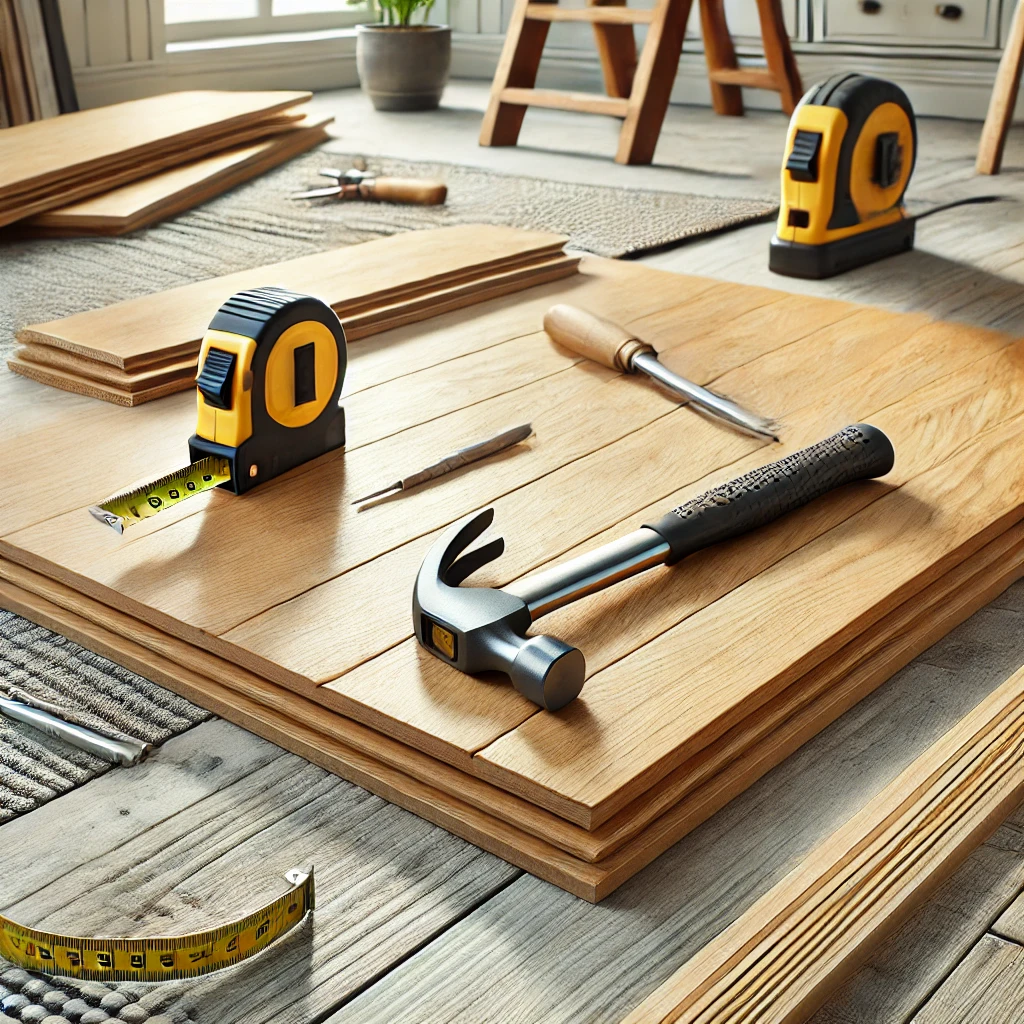

A bamboo floor can give a Los Angeles home or workplace a clean, modern look without the price of many premium hardwoods. But the finished result depends on far more than the color of the planks. Experienced Los Angeles bamboo installers evaluate the material, the subfloor, moisture conditions, and the way the room is used before installation begins. That preparation is what helps a floor stay stable, attractive, and comfortable underfoot for years.
Bamboo is often chosen for its renewable-material appeal, visual warmth, and strong performance options. It is also a product that rewards professional installation. A small issue below the surface, such as uneven concrete or excess moisture, can lead to movement, gaps, adhesive failure, or unwanted noise later. The right installation plan protects your investment from day one.
Why Bamboo Flooring Works in Los Angeles Properties
Bamboo is technically a fast-growing grass rather than traditional wood, but it can deliver the appearance and feel many property owners want from a natural floor. It is available in light, natural tones, deeper carbonized colors, and contemporary gray or hand-scraped styles. That range makes it a practical fit for everything from a bright Santa Monica condo to a busy office in Burbank or Glendale.
Performance depends heavily on the construction of the product. Strand-woven bamboo is compressed from bamboo fibers and is generally the strongest option for high-traffic homes, rental properties, and commercial interiors. Horizontal and vertical bamboo display more of the material’s natural grain pattern, which may appeal to homeowners looking for a classic organic appearance. Neither is automatically the right choice for every room. A family with large dogs, active kids, or frequent visitors may prioritize a tougher strand-woven surface, while a lower-traffic bedroom may allow more flexibility in style.
Bamboo can be a responsible material choice, but it is worth looking beyond the renewable-resource label. Product quality, manufacturing standards, adhesives, and finish chemistry all matter. For indoor projects, low-VOC materials can be especially valuable for households and businesses that want to reduce odors and improve indoor air quality during and after installation.
What Los Angeles Bamboo Installers Check Before Installation
A professional flooring project starts with the surface underneath the flooring. This is particularly important across Los Angeles, where homes may have concrete slabs, older wood subfloors, additions with different floor heights, or rooms altered by previous remodels.
The first step is measuring the space and inspecting the subfloor for flatness, structural soundness, and moisture. Bamboo planks need a stable base. If a subfloor has dips, high spots, cracks, or loose sections, those issues should be corrected before the new floor goes down. Skipping this work may save money at the beginning, but it often creates expensive problems later.
Moisture testing is another essential step, especially over concrete. A slab can look dry and still release enough moisture vapor to affect flooring or adhesive. Depending on the test results and installation method, the project may require a moisture barrier, specialized adhesive, or a different product recommendation. This is not an area for guesswork.
Bamboo also needs time to acclimate to the building environment. Planks are brought into the space before installation so they can adjust to typical indoor temperature and humidity conditions. Los Angeles weather is generally favorable for flooring, but indoor conditions vary. Air conditioning, closed-up rooms, direct sun exposure, and changes in ventilation can all affect how a floor behaves.
Choosing the Right Installation Method
The installation method should match the bamboo product, subfloor, room use, and building conditions. A qualified installer will explain the options clearly instead of applying the same approach to every project.
Floating Bamboo Flooring
A floating floor is not attached directly to the subfloor. Instead, the planks lock together and rest over an approved underlayment. This can be an efficient choice for certain engineered bamboo products and can work well over properly prepared concrete or existing hard surfaces. It may also make future replacement simpler.
However, floating floors require careful perimeter spacing and a flat subfloor. Without those details, the floor can shift, feel hollow, or develop stress at transitions. They are not always the best answer for large commercial spaces or areas that need maximum stability.
Glue-Down Bamboo Flooring
Glue-down installation bonds the flooring directly to the prepared subfloor with flooring adhesive. This method often provides a solid, quiet feel underfoot and is commonly used over concrete slabs. It can be an excellent choice for wide-open rooms, offices, and properties where a stable, permanent installation is the priority.
The trade-off is preparation. The subfloor must be clean, dry, flat, and properly treated for the adhesive system being used. Adhesive selection also matters, particularly when moisture protection and low-VOC requirements are part of the project.
Nail-Down Bamboo Flooring
Nail-down installation is generally used over suitable wood subfloors. It can create a secure, traditional flooring installation, but it is not appropriate for every bamboo product or subfloor. The flooring manufacturer’s specifications should guide the decision. A professional installer does not force a preferred method when the product calls for something else.
Budget Factors That Affect Your Bamboo Flooring Quote
The price of bamboo installation is not based on square footage alone. Material grade and construction, removal of existing flooring, subfloor leveling, moisture protection, furniture moving, stairs, trim work, and transition pieces can all affect the final scope. A simple rectangular room with a clean subfloor will cost less to install than a space with multiple doorways, built-ins, damaged concrete, or uneven floor elevations.
For property managers and business owners, scheduling can also matter. Work completed around operating hours, tenant access, or phased construction may require a different plan than an empty space. The best quote is not simply the lowest number. It should clearly identify the preparation work, installation method, materials, and finish details included in the project.
At Magnet Flooring, the goal is to give customers practical recommendations that fit both the room and the budget. In some cases, bamboo is the right value choice. In others, waterproof vinyl plank may be better for a pet-heavy rental, a break room, or an area with frequent spills. Good flooring advice is based on how the space will actually be used.
Bamboo Flooring for Homes, Rentals, and Offices
In a home, bamboo works especially well in living rooms, bedrooms, hallways, and dining areas where a warm hard-surface floor is desired. It can also add a polished look to home offices and condos where design matters but budget still needs attention. Entryways can be suitable if moisture and dirt are controlled with mats and regular cleaning.
For commercial interiors, the right bamboo product can bring a professional, natural finish to offices, boutiques, reception areas, and low-to-moderate traffic workspaces. Strand-woven options are often worth considering where foot traffic is heavier. For any business setting, confirm the product’s wear rating, warranty terms, and maintenance requirements before making a final selection.
Bathrooms, laundry rooms, and locations with standing water are usually poor candidates for bamboo. Even high-quality bamboo flooring is not the same as a fully waterproof surface. A professional should recommend alternatives when the risk of water exposure outweighs the visual benefit.
Protecting a Newly Installed Bamboo Floor
Bamboo flooring is straightforward to maintain when it is cleaned consistently and protected from preventable damage. Sweep or vacuum with a hard-floor setting to remove grit that can wear down the finish. Use a lightly damp microfiber mop with a cleaner approved for the flooring, and avoid soaking the surface with water.
Place mats at exterior doors, use felt pads under furniture, and clean spills promptly. Window coverings can also help in rooms with intense sunlight, especially with darker colors that may show fading more noticeably over time. If a floor is damaged, the repair approach depends on whether it is floating, glued down, or nailed down, as well as the availability of matching material.
The strongest bamboo flooring projects start with an honest look at the room, not a rushed material decision. A professional site evaluation can identify moisture concerns, subfloor repairs, and layout details before they become delays. That gives you a clearer path to a floor that looks right, performs well, and stays within reach of your budget.