
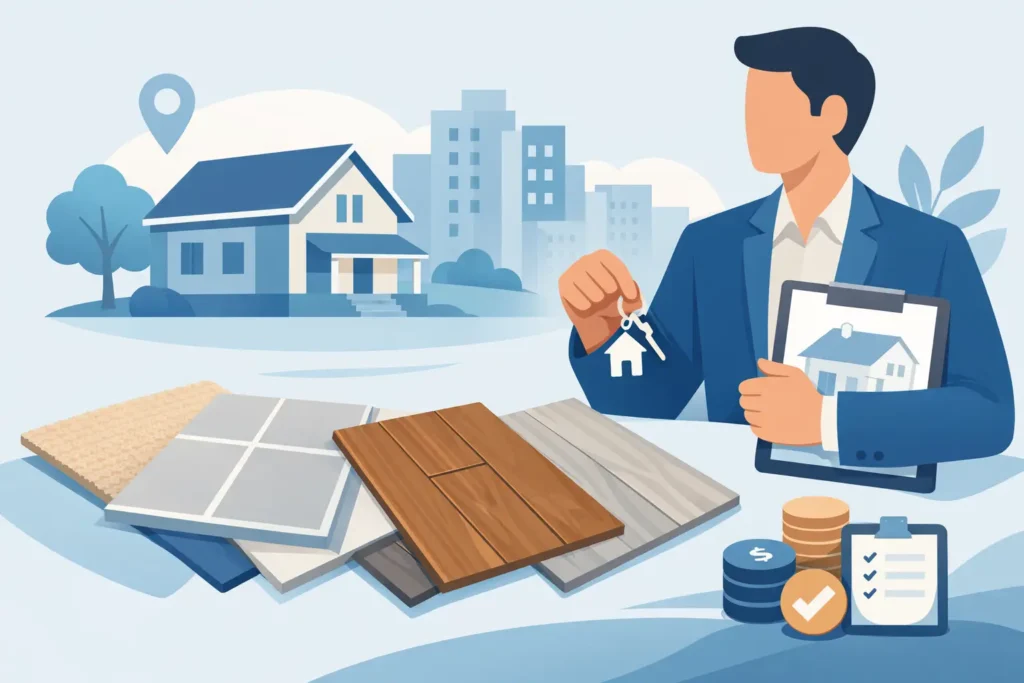
A stained carpet in one unit, swollen planks in another, and a move-out inspection coming up on Friday – this is where flooring decisions stop being cosmetic and start affecting your bottom line. Choosing the best flooring for rental property owners is really about balancing three things at once: durability, turnover costs, and how the space shows to the next tenant.
If you own or manage rentals, you already know there is no perfect floor for every room. The right choice depends on unit type, tenant traffic, moisture exposure, and how often you expect replacement. What works in a Beverly Hills condo may not be the smartest fit for a busy North Hollywood duplex. The goal is not to buy the fanciest material. The goal is to install flooring that holds up, looks clean, and does not eat into profits every time a lease ends.
What makes the best flooring for rental property?
Rental flooring has to do more work than flooring in a typical owner-occupied home. It needs to survive furniture moves, missed cleanups, pet accidents, moisture, and the general wear that comes from tenants treating a space differently than an owner might.
That means the best option usually has five qualities. It should be durable enough to handle repeat occupancy, affordable enough to make sense across multiple rooms or units, easy to clean between tenants, attractive enough to support rent value, and practical to repair when damage happens. If one of those factors is missing, the floor may look good on day one but become expensive by year three.
This is why many property owners stop focusing only on upfront material cost. A cheap floor that needs frequent replacement is often more expensive than a mid-range product that stays in service for years.
Luxury vinyl plank is the top choice for most rentals
For many landlords and property managers, luxury vinyl plank, often called LVP, is the safest all-around answer. It handles moisture better than laminate, gives you the look of wood without the same maintenance demands, and stands up well to daily wear. In kitchens, living rooms, hallways, and many bedrooms, it checks the boxes that matter most.
LVP also helps during turnover. It is easier to clean than carpet, less likely to show minor scuffs than glossy surfaces, and available in a wide range of styles that make units feel more updated. That matters when you are trying to reduce vacancy time.
Not all vinyl plank is equal, though. The wear layer matters. Thicker, better-made products generally perform better in rentals, especially in higher-traffic units or properties with pets. The lowest-priced option may save money upfront, but thin material can scratch, dent, or separate sooner.
For Los Angeles-area rentals, where tenants often expect a clean, modern look, vinyl plank tends to hit the sweet spot between cost and appeal.
Where vinyl plank works best
Vinyl plank is a strong fit for living rooms, bedrooms, kitchens, and entry areas. It is especially useful in properties where you want one consistent floor through most of the unit. That continuity makes spaces look larger and simplifies future repairs or partial replacements.
Bathrooms can also work with waterproof vinyl products, provided installation is done correctly and transitions are sealed where needed.
Laminate can work, but it has limits
Laminate flooring is often considered because it is budget-friendly and can look sharp when first installed. In dry areas with moderate wear, it can be a reasonable rental option. Bedrooms and some living spaces may be suitable if the product quality is solid and the subfloor is level.
The issue is moisture. Once water gets into lower-quality laminate, swelling and edge damage can become obvious fast. In rentals, where spills may sit longer and maintenance calls may not happen immediately, that risk matters.
If you are comparing laminate and vinyl plank, vinyl usually wins on flexibility and long-term practicality. Laminate can still make sense when budget is tight and the installation area is dry, but it is usually not the first recommendation for kitchens, bathrooms, or entry points.
Hardwood looks great, but it is not always the smartest rental investment
Real hardwood has clear appeal. It photographs well, adds perceived value, and can help a property feel more premium. In higher-end rentals, that may support the rent level and tenant profile you want.
But hardwood is also easier to scratch, dent, and stain than many owners expect. It can require refinishing, and repairs are usually more specialized and more expensive than repairs on vinyl or laminate. In units with frequent turnover or heavier traffic, hardwood can become a maintenance line item you keep revisiting.
That does not mean hardwood is a bad choice. It means it should be used strategically. If you own a luxury property with stable tenants and want to maintain a high-end finish, hardwood may make sense. If you are managing for durability first, it usually falls behind vinyl plank.
Bamboo is a strong option when you want style and sustainability
Bamboo flooring appeals to owners who want a more eco-conscious material without giving up a polished, modern look. In the right setting, it can be a smart middle ground between visual appeal and environmental responsibility.
Like hardwood, though, performance depends on product quality and tenant use. Strand-woven bamboo is generally tougher than lower-grade options, but it still needs thoughtful placement. It is better suited to dry, well-maintained interiors than to moisture-prone areas.
For owners who care about sustainable upgrades and want to market that value to tenants, bamboo can be a worthwhile choice. It just should not be selected on appearance alone. The product grade and installation quality matter.
Why carpet is usually the weak link
Carpet is soft, quiet, and inexpensive to install, which is why it still shows up in many rentals. But it is also the flooring type most likely to trap odors, stains, allergens, and visible wear. Every turnover becomes more labor-intensive, and sometimes replacement is the only way to make the unit feel clean again.
In bedrooms, some owners still prefer carpet for comfort and noise control, especially in upper-floor units. That can work in certain buildings. Still, many landlords are moving away from wall-to-wall carpet because hard-surface flooring is easier to maintain and often lasts longer.
If you do use carpet, it should be a deliberate choice for a specific reason, not a default decision based on upfront cost alone.
The room matters as much as the material
One mistake property owners make is trying to use one rule for every space. Flooring should match room conditions.
In kitchens, bathrooms, and entryways, moisture resistance is critical. Vinyl plank usually leads here. In living rooms and main traffic paths, durability and appearance matter most, which again makes vinyl a strong option. Bedrooms are more flexible. Vinyl, laminate, carpet, or even bamboo can work depending on the property level and tenant expectations.
Stairs are a separate conversation. They take concentrated wear and need proper traction and edge finishing. A floor that performs well in a bedroom may not be the right choice on stair treads.
Installation quality affects cost more than most owners realize
Even the best product will fail early if installation is rushed. Gaps, uneven transitions, poor subfloor prep, or incorrect moisture handling can shorten the life of the floor and create repeat repair calls.
For rental properties, professional installation is usually where long-term savings show up. A properly installed floor is less likely to shift, lift, squeak, or wear unevenly. That matters when you are trying to avoid emergency fixes between tenants.
This is one reason many local owners work with experienced contractors instead of treating flooring like a simple material purchase. At Magnet Flooring, the conversation often starts with budget, but it usually ends with lifecycle value – how the floor will perform after multiple tenants, not just how it looks on installation day.
How to choose the right floor for your rental
Start by asking how hard the unit will be on flooring. Is it a single-family rental with pets? A small apartment with frequent turnover? A higher-end unit where finish level affects marketability? Then look at exposure. Any room with moisture risk should push you away from materials that swell or stain easily.
Next, consider replacement cycles. If you expect to hold the property long term, paying more for a stronger product often makes sense. If the unit is getting a short-term refresh before a sale or repositioning, your calculation may change.
Finally, think beyond material cost. Include installation, maintenance, cleaning between tenants, repair difficulty, and the visual impact on leasing. The best flooring for rental property decisions are usually the ones that reduce headaches over time, not just the ones that produce the cheapest invoice today.
For most owners, that leads back to one practical answer: quality vinyl plank in the main living areas, selected with the unit’s use and price point in mind. It is not the only option, but it is the one that solves the most problems at once.
A rental floor should earn its keep. If it helps the unit show better, cleans up faster, and lasts through more than one tenant cycle without constant repairs, it is doing exactly what you need.
Pingback: Bamboo Vs Laminate For Apartments Compared | Flooring Contractor Los Angeles | Magnet Flooring
Pingback: When To Replace Damaged Flooring In Your Home | Flooring Contractor Los Angeles | Magnet Flooring
Pingback: Is Laminate Flooring Good For Stairs? The Real Answer | Flooring Contractor Los Angeles | Magnet Flooring
Pingback: Flooring Color Trends For Los Angeles Spaces | Flooring Contractor Los Angeles | Magnet Flooring