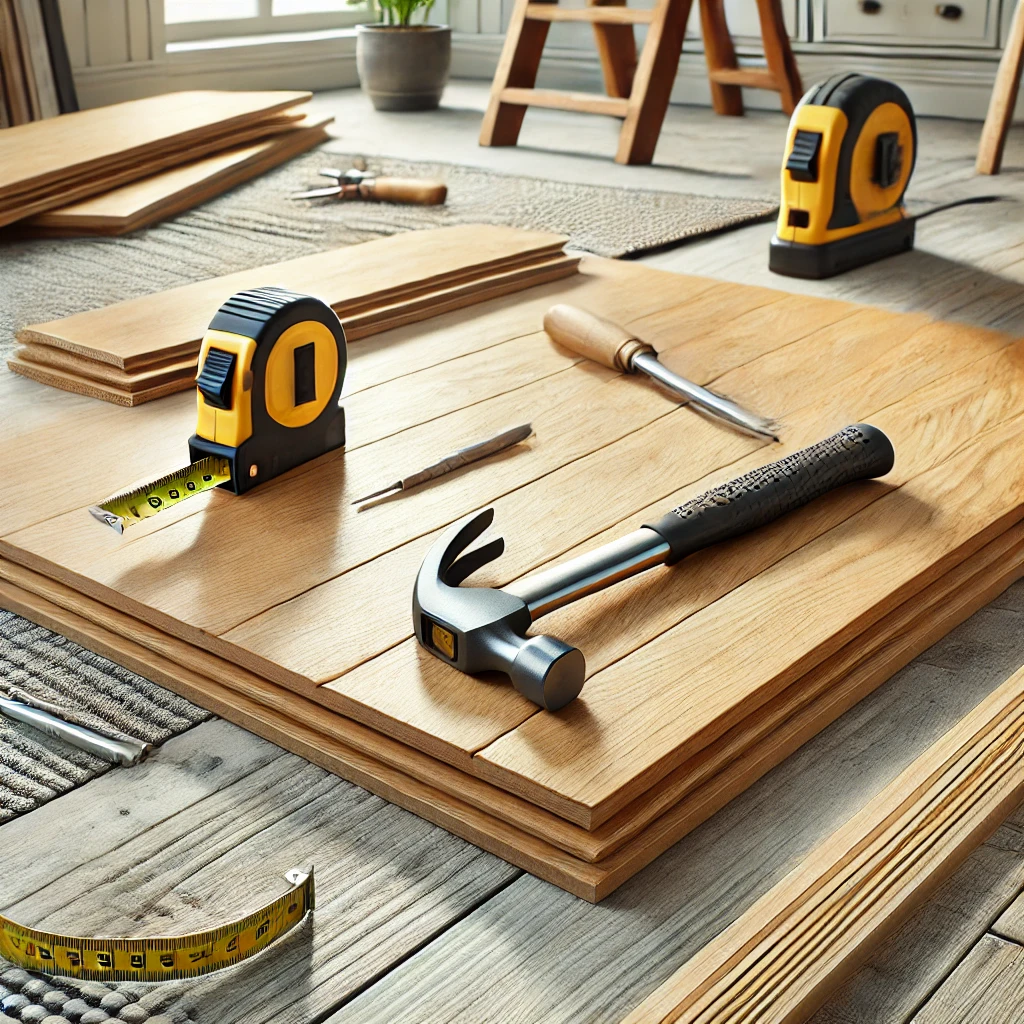

A worn office floor sends a message before a client reaches the reception desk. Scuffs, lifting edges, stains, and noisy surfaces can make an otherwise well-run business feel neglected. Knowing how to choose office flooring means looking beyond a material’s showroom appearance and selecting a surface that works for your people, daily traffic, maintenance routine, and budget.
For Los Angeles businesses, the right choice also has to make sense for the building itself. A creative studio, medical office, property management office, and busy retail-adjacent workspace do not place the same demands on a floor. The best result comes from matching the material to how each area is actually used.
Start With How the Office Operates
Before comparing colors or plank widths, map out the activity in each space. Reception areas, hallways, break rooms, private offices, conference rooms, and storage areas can have very different flooring needs. One material throughout the entire office can create a clean look, but it is not always the most practical or cost-effective decision.
A reception area may need a highly scratch-resistant surface that stands up to rolling luggage, chairs, and frequent visitors. Private offices may prioritize a warmer appearance and quieter underfoot feel. Break rooms need easy cleanup because spills are inevitable. If a space is leased, consider whether the flooring can be installed with minimal disruption and whether it suits the lease requirements for future tenant improvements.
Traffic is not just about the number of employees. It includes delivery routes, wheeled office chairs, clients, cleaning equipment, and furniture that is moved for meetings or events. A floor that looks excellent in a low-traffic executive office may wear much faster in a busy corridor.
How to Choose Office Flooring by Room Use
Think in terms of performance first, then design. This approach keeps a beautiful finish from becoming an expensive maintenance problem.
For active public-facing areas, prioritize durability, scratch resistance, and simple cleaning. Waterproof vinyl plank is often a strong choice because it handles everyday spills, offers realistic wood visuals, and is more forgiving than natural wood in high-use settings. It also provides a comfortable feel underfoot compared with many hard-surface alternatives.
For conference rooms and private offices, appearance may carry more weight. Hardwood can give a professional, established look that supports a premium brand image. It can also be refinished over time, which adds long-term value. The trade-off is that hardwood needs more care around moisture, deep scratches, and chair movement. Protective mats and furniture pads are practical additions.
Break rooms, copy rooms, and areas near exterior doors need special attention. Water, food, and dirt tend to collect there. Waterproof flooring is usually the safer investment, particularly when quick cleanup matters more than a formal wood-floor look.
Compare Office Flooring Materials Honestly
Every material has strengths. The right one depends on which compromise your business can comfortably make.
Vinyl Plank for Busy, Low-Maintenance Offices
Luxury vinyl plank is one of the most practical commercial office options for businesses that want the look of wood without the same level of upkeep. Quality vinyl plank resists moisture, is easy to clean, and comes in a wide range of colors and textures. It can work especially well in reception spaces, corridors, break rooms, and offices with pets or frequent outside traffic.
Not all vinyl products perform the same. Wear-layer thickness, locking system quality, subfloor preparation, and installation all affect how well the floor holds up. A professional assessment helps avoid problems such as shifting planks, uneven transitions, or visible subfloor imperfections.
Laminate for Value-Focused Upgrades
Laminate flooring can be an attractive option when budget is a major priority and the office is relatively dry. Modern laminate offers convincing wood designs and solid resistance to everyday scratches. It is a good fit for private offices, small professional suites, and spaces that need a polished update without the cost of hardwood.
The limitation is moisture. While some laminate products offer improved water resistance, they are not the same as fully waterproof vinyl. Standing water and repeated spills can damage seams and edges, so laminate is usually less suitable for break rooms or entryways exposed to rain and dirt.
Hardwood for a Premium, Long-Term Look
Hardwood flooring brings natural character that cannot be copied exactly. It works well for law offices, boutique agencies, executive suites, and client-facing environments where the floor is part of the brand presentation. A properly maintained hardwood floor can last for decades and may be refinished when wear becomes visible.
That longevity comes with a higher upfront investment and more maintenance awareness. Hardwood can dent, scratch, and react to moisture, especially if the office has unstable indoor humidity or frequent spills. It is best used where its visual impact justifies the added care.
Bamboo for Sustainable Style
Bamboo is a smart choice for businesses that want to incorporate a renewable flooring material without giving up a clean, contemporary look. It can offer the warmth of a natural floor while supporting sustainability goals that matter to employees and clients.
Quality matters greatly with bamboo. Strand-woven bamboo is generally more durable than softer alternatives, but the product still needs correct installation and a suitable environment. It is not the default choice for every high-moisture area, but it can be a compelling option for offices seeking an eco-conscious statement.
Plan for Acoustics, Comfort, and Safety
Office flooring affects more than appearance. Hard surfaces can make an open office feel louder, especially where teams spend much of the day on calls. Vinyl plank and laminate can be improved with the right underlayment, while area rugs in designated spaces can help soften sound without covering the entire floor.
Comfort is another factor. Employees who stand at reception desks, workstations, or service counters will notice how a floor feels after several hours. Softer, more resilient surfaces can reduce fatigue compared with harder materials. Chair mats, anti-fatigue mats, and properly selected underlayment can make a meaningful difference.
Safety should be part of the decision, too. Choose finishes and transition details that reduce slip and trip risks. Uneven subfloors, poorly planned thresholds, and abrupt height changes can create hazards and make a new installation look unfinished. This is one reason professional preparation matters as much as the material itself.
Set a Budget That Includes the Whole Project
The price per square foot is only one part of office flooring cost. A realistic budget should account for removal of old material, subfloor repairs, moisture testing, underlayment, trim, furniture moving, and installation timing. If your office needs to remain operational, phased installation or after-hours work may also affect the quote.
Saving on the material while overlooking subfloor preparation is a common mistake. Even a high-quality floor can fail early when installed over an uneven, damp, or damaged surface. A clear estimate should explain what is included and identify potential site conditions before work begins.
For many businesses, vinyl plank offers the best balance of upfront cost, durability, and maintenance savings. Hardwood can make financial sense when its appearance supports a higher-end office environment and the business is prepared to maintain it. Laminate may be the practical choice for dry, lower-traffic offices on a tighter renovation budget.
Choose a Design That Supports Your Brand
Flooring sets the visual foundation for furniture, wall color, lighting, and signage. Light wood tones can make smaller offices feel more open, while medium and darker tones can create contrast and hide some daily dust. Avoid choosing solely from a small sample. Review larger samples under the office’s actual lighting, including bright Southern California daylight and overhead fixtures.
Consider the longevity of the design as well. Extremely trendy colors may date quickly, particularly in a commercial space expected to serve the business for years. Natural oak looks, warm neutrals, and balanced gray-brown tones usually give more flexibility when furniture or branding changes.
Work With a Flooring Professional Before Ordering
The best office flooring decision is made after the space is measured, the subfloor is evaluated, and the material is matched to real operating conditions. A professional can spot moisture concerns, floor-level issues, transition needs, and installation challenges that are easy to miss during a quick walk-through.
Magnet Flooring helps Los Angeles-area business owners and property managers compare practical options, plan installations around operations, and get professional results without wasting money on the wrong material. The most useful next step is a site-specific consultation: bring your traffic concerns, design goals, and budget range, then choose a floor that will still look right after the office has been put to work.