A beautiful hardwood floor can raise the standard of an entire room, but the finish is only part of the decision. Hardwood installation determines how the floor feels underfoot, how it handles seasonal movement, and whether it continues to look refined after years of daily use. For Los Angeles homes, where dry conditions, sun exposure, and varying subfloor types can all affect wood, professional planning is what protects your investment.
Hardwood is not a one-size-fits-all product or process. The right species, board width, finish, installation method, and preparation plan depend on the room, the existing floor, and how the space is used. A family room with active pets has different needs than a quiet primary bedroom. A ground-level condo may require a different approach than a second-story home with a wood subfloor.
Start With the Subfloor, Not the Sample Board
Homeowners often begin by comparing colors and grain patterns. That is understandable, but the condition of the subfloor should be assessed before a final material choice is made. Hardwood needs a clean, dry, level, and structurally sound base. If the subfloor has moisture issues, uneven areas, loose sections, or movement, those conditions can lead to gaps, squeaks, cupping, or premature wear after the new floor is installed.
Concrete and plywood subfloors require different preparation. Concrete slabs must be tested for moisture and may need a moisture barrier or leveling work before engineered hardwood can be installed. Plywood subfloors should be secured, checked for flatness, and repaired where necessary. Skipping these steps may save time on installation day, but it can create an expensive problem later.
A professional evaluation also identifies transitions, floor height changes, door clearance issues, and areas where cabinets, baseboards, or trim may need attention. These details are easy to overlook during a do-it-yourself project and difficult to correct once boards are in place.
Solid vs. Engineered Hardwood Installation
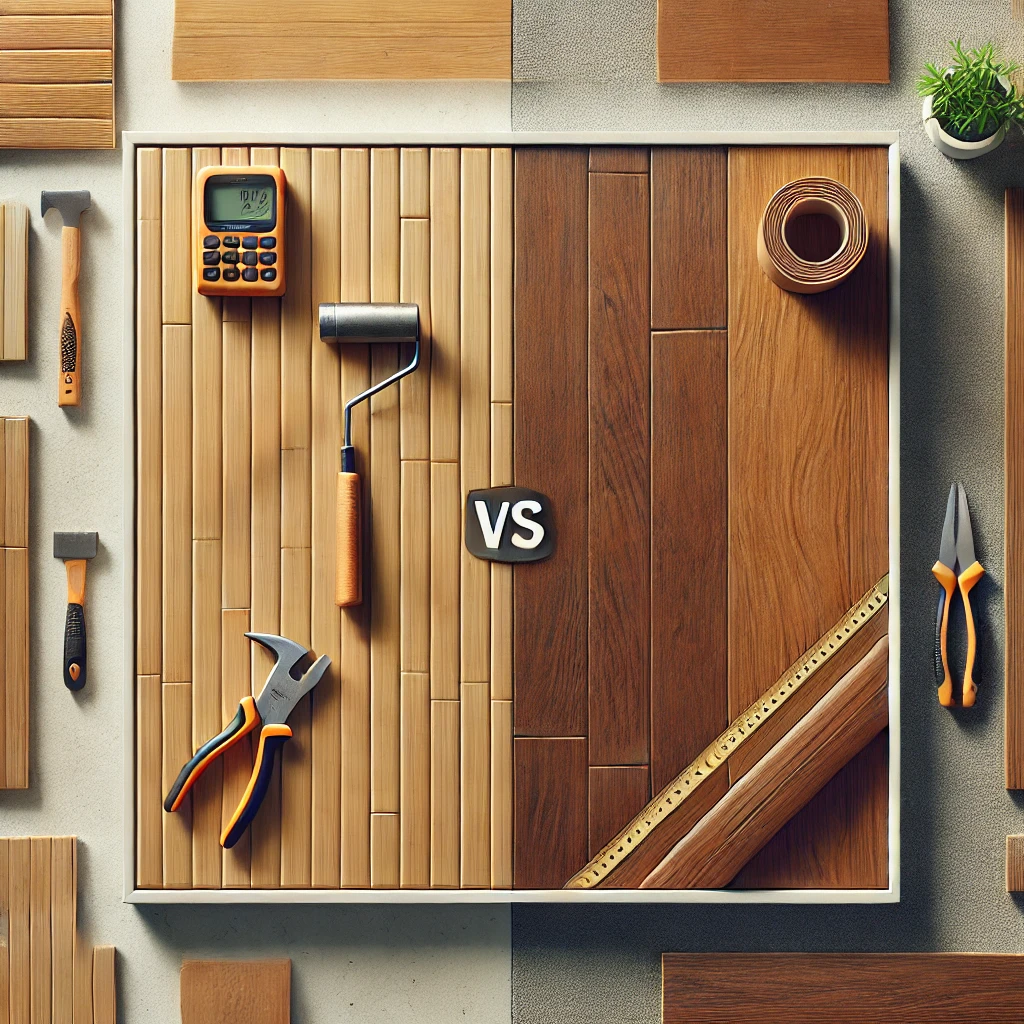
Both solid and engineered hardwood can deliver the natural appearance, warmth, and long-term value buyers expect from real wood. The better choice depends on the environment and the installation conditions.
Solid hardwood is milled from a single piece of wood. It can often be sanded and refinished multiple times, making it a strong long-term option for appropriate above-grade spaces. It is especially popular in living rooms, bedrooms, hallways, and homes where owners want a traditional floor that can be renewed over time. Because solid wood naturally expands and contracts, it needs stable indoor conditions and proper acclimation before installation.
Engineered hardwood has a real hardwood surface over layered construction designed for added dimensional stability. It can be a practical choice over concrete slabs, in condominiums, or in spaces where moisture variation is a concern. Its refinishing potential depends on the thickness of the top veneer, so product quality matters. A thicker wear layer generally gives owners more options in the future.
Neither option is automatically better. Solid hardwood may offer more refinishing flexibility, while engineered hardwood may be more suitable for specific subfloors and locations. A qualified flooring contractor should explain the trade-offs clearly instead of steering every project toward one material.
Acclimation Protects the Floor Before Work Begins
Wood responds to its surroundings. That is why hardwood should be acclimated in the installation area according to the manufacturer’s requirements before it is installed. This allows the material to adjust to the home’s normal temperature and humidity levels.
Acclimation is not simply leaving unopened boxes in a room for a day. The home should be enclosed, climate-controlled, and free from excessive moisture. The flooring installer should also confirm moisture readings in both the wood and the subfloor. In Southern California, dry air and air conditioning can influence indoor conditions, while coastal areas may experience different humidity patterns than inland neighborhoods.
When acclimation and moisture testing are ignored, boards can shrink, expand, cup, crown, or develop noticeable gaps. These outcomes are often blamed on the product, but the underlying cause may be poor preparation. Good installation protects the wood before the first board is fastened or glued.
Choosing a Wood Floor for Real Life
The species, color, finish, and board width should support the way a property is actually used. Oak remains a popular choice because it offers visible grain, dependable durability, and a broad range of stain options. White oak has a more contemporary look and is often selected for its subtle grain and ability to work with light, natural, or modern finishes. Hickory is harder and more dramatic in appearance, while maple has a smoother, cleaner grain pattern.
Hardness matters, but it is not the only consideration. A very hard species may resist dents better, yet a textured or wire-brushed finish can make everyday marks less noticeable. Lighter finishes can make rooms feel open and airy, while darker floors can create contrast but may show dust, pet hair, and scratches more readily.
Wide planks create a spacious, high-end look, especially in open-concept rooms. They also make subfloor flatness and moisture control even more critical. Narrower boards can suit traditional homes and may handle visual variation well in smaller rooms. The best choice balances design goals with maintenance expectations, budget, and the room’s traffic level.
What a Professional Hardwood Installation Should Include
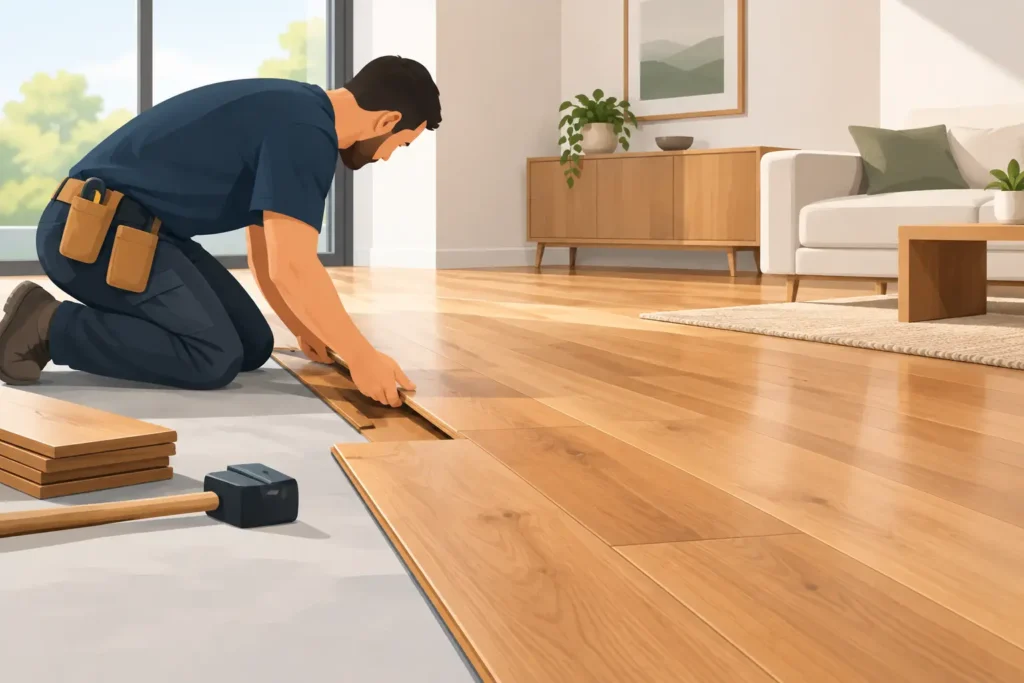
A dependable installation process is organized well before the crew arrives. The job begins with site measurements, material planning, and an inspection of the existing floor. From there, the installer determines whether the old flooring needs removal, whether the subfloor requires repair or leveling, and which installation method is appropriate.
Hardwood may be nailed, stapled, glued, floated, or installed using a combination of methods based on the product and subfloor. Expansion space around walls and fixed objects is essential because wood needs room to move naturally. Proper layout also matters. Installers should plan the board direction, stagger end joints correctly, avoid awkwardly narrow rows at walls, and create clean transitions at doorways and adjoining flooring.
The finishing details are where craftsmanship becomes visible. Baseboards or shoe molding should cover the expansion gap without pinching the floor. Stair nosing, reducers, and thresholds should sit securely and match the project’s overall look. A floor can have premium material and still look unfinished if these details are rushed.
Understanding Hardwood Installation Costs
The cost of hardwood flooring is influenced by more than the price of the boards. Material grade, species, plank width, finish, demolition, subfloor repairs, moisture mitigation, trim work, stairs, furniture moving, and room layout all affect the final estimate. A simple rectangular room with a stable subfloor will usually cost less to install than a multi-room renovation with damaged flooring, level changes, and custom transitions.
The lowest estimate is not always the best value. A quote that excludes preparation work can look attractive at first, then grow once installation begins. Clear estimates should explain what is included, what may require additional work, and how unexpected subfloor conditions will be handled. This gives homeowners, property managers, and business owners a more realistic way to compare options.
For commercial spaces, scheduling is another cost factor. Work may need to happen after hours or in phases to limit disruption. Planning the project around tenant needs, customer traffic, and access requirements can protect operations while still delivering a durable upgrade.
Care Begins After Installation
A hardwood floor lasts longer when it is protected from grit, standing water, and furniture damage. Use mats at exterior doors, felt pads beneath furniture, and a soft broom or hardwood-approved vacuum attachment for regular cleaning. Clean spills promptly, but avoid soaking the surface or using steam mops unless the flooring manufacturer specifically allows them.
Sunlight can gradually change the color of natural wood. Window coverings and occasional furniture repositioning help the floor age more evenly. For high-traffic areas, rugs can reduce wear, but avoid rubber-backed products that may trap moisture or discolor certain finishes.
If scratches, dullness, or localized damage develop over time, repair options may be available without replacing the entire floor. The right solution depends on the finish, wood type, and extent of the damage. Early assessment is usually more cost-effective than waiting until wear spreads.
Get the Details Right Before You Commit
Hardwood flooring is a visible investment, but its value comes from the work beneath the surface as much as the boards you see. A careful consultation should address your subfloor, moisture conditions, design preferences, daily traffic, timeline, and budget before material is ordered.
For homeowners and property professionals in the Los Angeles area, Magnet Flooring can help turn those decisions into a clear installation plan with practical recommendations and professional workmanship. The right floor should not only look impressive on day one. It should suit the property, support daily life, and keep delivering value long after the installers leave.