A spilled coffee, a pet accident, a rolling office chair, and the sound of upstairs footsteps can change the answer fast. When comparing laminate versus carpet apartments, the best choice is rarely about appearance alone. It comes down to who uses the space, where the flooring will go, what the lease allows, and how much maintenance the property can realistically support.
For many Los Angeles renters and property owners, laminate offers a clean, modern look with easier day-to-day upkeep. Carpet still has a place, especially in bedrooms and upper-floor units where warmth and sound absorption matter most. The right decision starts with the real demands of the apartment, not a one-size-fits-all flooring rule.
Laminate Versus Carpet Apartments: The Daily Living Test
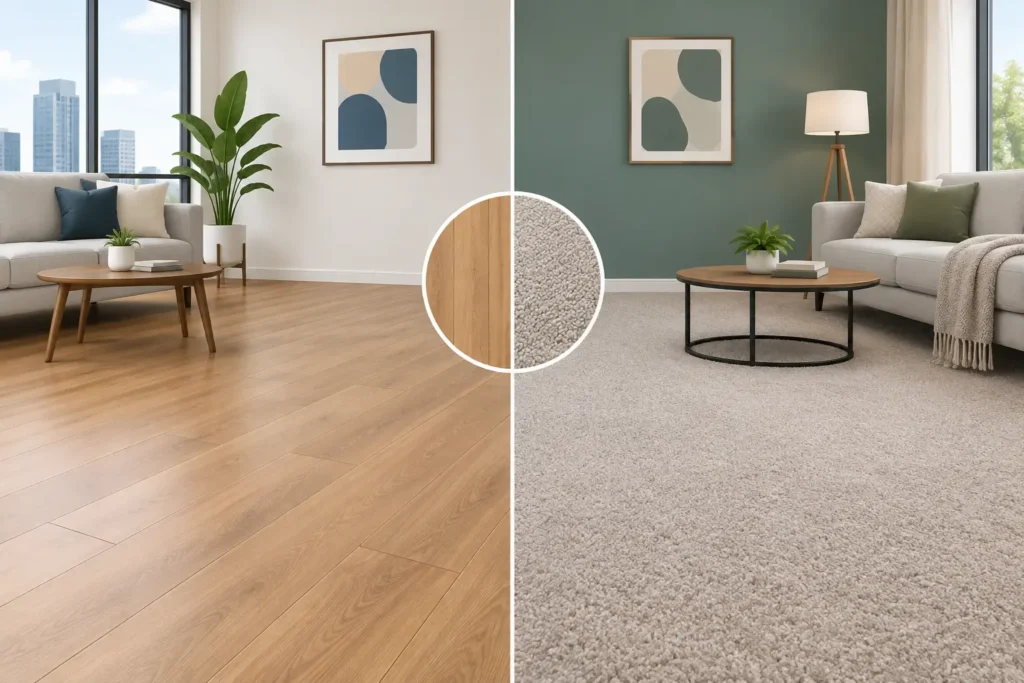
Laminate flooring is built for active living. It gives apartments the visual appeal of wood without the cost and care demands of solid hardwood. A quality laminate floor can handle routine foot traffic, moving furniture, dropped items, and the occasional mess better than carpet, provided spills are cleaned promptly and the product is appropriate for the space.
Carpet creates a softer, quieter feel underfoot. It is comfortable in bedrooms, helpful on chilly mornings, and more forgiving when children play on the floor. But carpet fibers hold onto dust, pet hair, odors, and stains. In a rental where residents move frequently, that can mean more cleaning, patching, or replacement between tenants.
For owners and property managers, maintenance is usually the deciding factor. Laminate can often be swept, vacuumed with the correct setting, and cleaned with a lightly damp microfiber mop. Carpet needs regular vacuuming and periodic professional cleaning to stay presentable. Once stains or odors settle deep into the padding, cleaning may not be enough.
Where Laminate Makes the Most Sense
Laminate is a strong fit for living rooms, hallways, dining areas, home offices, and many bedrooms. These rooms benefit from a polished appearance and easy cleanup, particularly in apartments with pets, children, or high resident turnover.
It also works well when a property owner wants a consistent look across multiple units. Matching flooring from room to room can make a smaller apartment feel more open, while reducing the number of materials that need to be repaired or replaced later. A wood-look laminate in a lighter oak, warm maple, or contemporary gray tone can suit many interior styles without requiring a premium budget.
That said, not all laminate products are designed for moisture. Standard laminate should not be treated as a worry-free choice for bathrooms, laundry areas, or locations with frequent water exposure. Water can reach the seams and cause swelling or edge damage. In those areas, waterproof vinyl plank is often the more practical hard-surface option.
Installation quality matters just as much as material selection. Uneven subfloors, poor expansion spacing, and incorrect underlayment can lead to movement, gaps, or noisy floors. Professional installation helps prevent those problems and gives the finished space a cleaner, longer-lasting result.
When Carpet Is the Better Apartment Flooring Choice
Carpet remains a practical choice when comfort and sound control outweigh easy cleanup. Bedrooms are the most common example. A softer floor can make a bedroom feel more private and relaxing, particularly in apartments with a cool concrete slab beneath the flooring.
Noise is another major consideration. Carpet and quality padding can reduce the sound of footsteps and dropped objects traveling to the unit below. This matters in multi-story buildings, upstairs apartments, and properties with strict HOA or building sound requirements. A hard floor can be quiet with the right underlayment and area rugs, but it will not absorb impact noise the way carpet does.
Carpet may also make sense for a resident who plans to stay in place for years and prefers a softer, cozier home. The trade-off is that the resident must be prepared for more intensive cleaning. Light-colored carpet can show every mark, while very dark carpet may reveal lint and pet hair. A medium-tone, stain-resistant carpet is often the safest option for rental use.
Cost Is More Than the Initial Price
The lowest installation price does not always produce the lowest long-term cost. Carpet can be less expensive upfront, depending on the fiber, padding, and installation conditions. However, it may need replacement sooner in an apartment that sees heavy traffic, pets, smoking, or frequent tenant changes.
Laminate can cost more initially than entry-level carpet, but its durability may make it a better value over time. It is easier to clean between occupants, and a well-maintained floor can continue looking current through several leases. Still, laminate can be damaged by standing water, major scratches, or impact at the edges, so selecting a product with a durable wear layer is worth the investment.
For property owners, the most cost-effective choice often depends on the turnover cycle. A quiet, owner-occupied condo may justify carpet in bedrooms and laminate in common areas. A rental unit with regular tenant turnover may benefit from laminate throughout the dry living spaces, paired with resilient flooring in moisture-prone rooms.
Lease Rules and Building Requirements Come First
Renters should never replace apartment flooring without written approval from the landlord or property manager. Even an improvement that looks better than the original floor can create issues when the lease ends. Some buildings require approved colors, specific underlayment ratings, proof of insurance, or sound-reduction documentation before hard flooring can be installed.
If you are renting, ask whether the existing floor can be removed, whether it must be stored, and who owns the new flooring after move-out. Also confirm whether the building has a minimum impact-insulation requirement. This is especially important in Los Angeles-area condos and upper-level apartments, where downstairs neighbors may be protected by HOA noise rules.
Property owners should be equally clear with residents. Written flooring standards reduce disagreements and help maintain a consistent look from unit to unit. They also make future repairs simpler because installers can identify the material, thickness, and underlayment requirements.
A Room-by-Room Approach Often Works Best
Choosing one flooring type for an entire apartment is not always necessary. A mixed approach can deliver the best balance of function, comfort, and cost.
Laminate is usually the better choice for living rooms, dining areas, hallways, and offices because these are high-traffic spaces where spills and wear are more common. Carpet can work well in bedrooms where residents value softness and sound reduction. For kitchens, bathrooms, and laundry areas, consider a waterproof flooring material instead of either standard laminate or carpet.
Transitions between surfaces should be planned carefully. Clean thresholds, matching trim, and properly installed transition strips keep the apartment looking intentional rather than pieced together. They also help protect flooring edges and reduce trip hazards.
How to Choose the Right Material for Your Apartment
Start with the practical questions. Does the apartment allow flooring changes? Is the unit on an upper floor? Are there pets, children, or frequent guests? Will the floor face heavy turnover? Is the room exposed to moisture? The answers usually point toward the right material quickly.
Choose laminate when you want a durable, easy-to-clean surface with a modern wood-look appearance. Choose carpet when softness, warmth, and sound control are the priority. If moisture is part of the equation, ask about waterproof vinyl plank rather than forcing laminate or carpet into a room where it will not perform well.
A professional flooring consultation can help you compare samples, inspect the subfloor, review building requirements, and estimate the full cost before work begins. Magnet Flooring helps homeowners, landlords, and property managers make practical flooring choices that look right, fit the budget, and hold up to real apartment life.
The best apartment floor is the one that fits the room’s job, the building’s rules, and the people who will live on it every day.