A worn floor changes how customers, tenants, and employees see a business before anyone says a word. Scuffs at an entryway, lifting seams, and tired finishes can make an otherwise well-run space feel neglected. The right commercial flooring does more than improve appearances. It supports daily operations, stands up to traffic, and gives your property a finish that makes sense for your budget.
For Los Angeles business owners and property managers, the best choice is rarely the most expensive material or the trendiest color. It is the floor that fits the way the space is actually used, from a quiet professional office to a busy retail location, rental property, studio, or hospitality setting.
Start With How the Space Is Used
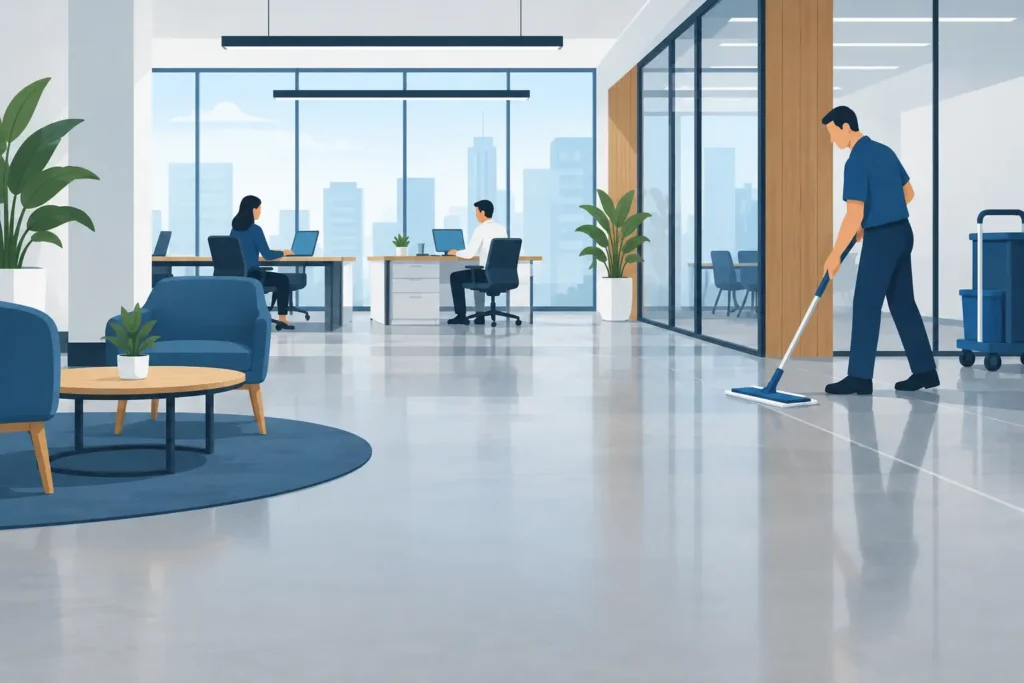
Commercial floors take a different kind of beating than residential floors. Foot traffic is heavier, cleaning is more frequent, furniture gets moved, and spills can happen without warning. Before selecting a material, consider who uses the space, how often they enter, and what they bring in with them.
A storefront near a busy sidewalk may need a highly scratch-resistant, easy-to-clean surface. An office may prioritize sound control and a polished, professional look. A rental turnover project may need a durable floor that can be installed efficiently and maintained without specialized products. These are different needs, even when the rooms look similar on a floor plan.
Pay attention to moisture as well. Entry areas, break rooms, restrooms, kitchens, and ground-level spaces need materials and installation methods that account for spills and humidity. A beautiful floor is not a good investment if it is not suited to the conditions underneath it.
Commercial Flooring Options That Fit Real Operations
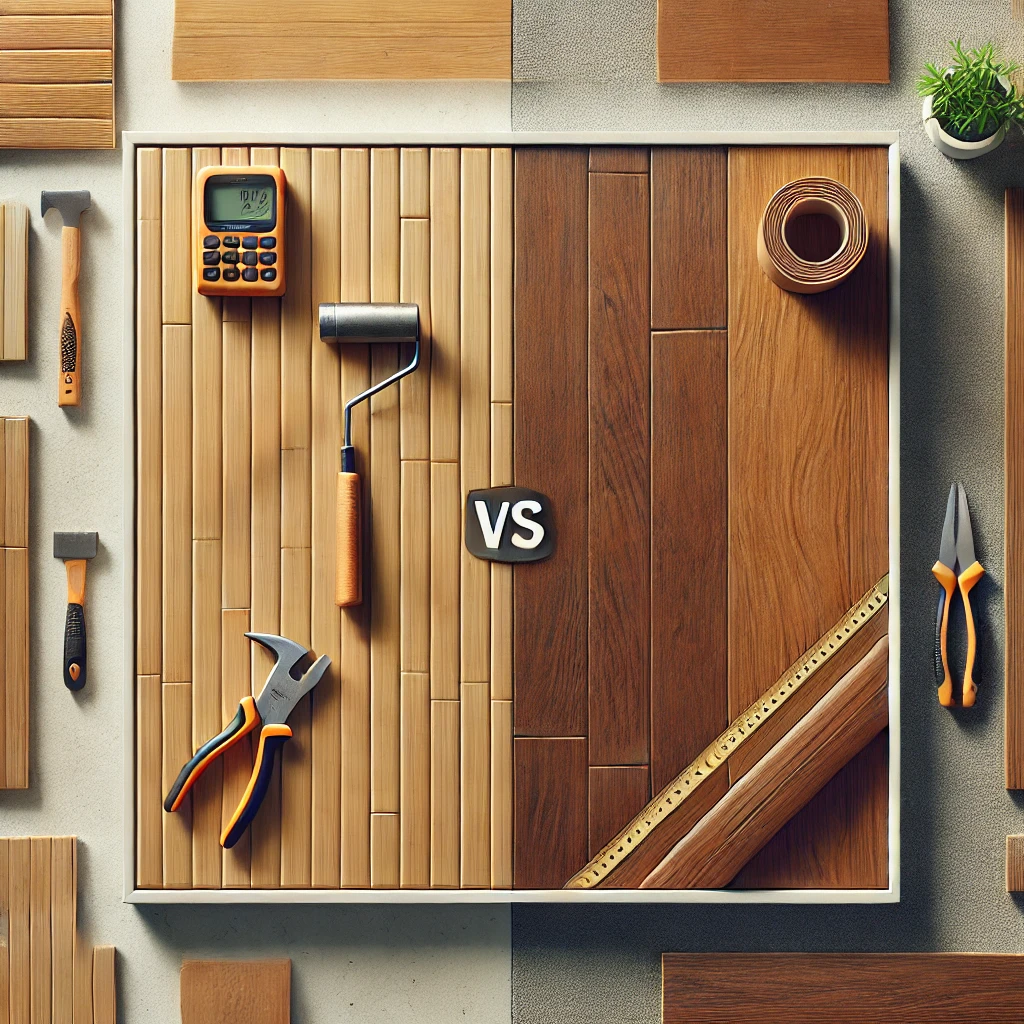
There is no single best commercial flooring material. The right option depends on traffic level, maintenance expectations, design goals, and the condition of the subfloor. Hardwood, vinyl plank, bamboo, and laminate can all perform well when they are specified and installed for the right environment.
Luxury vinyl plank for busy spaces
Luxury vinyl plank is often a practical choice for offices, retail spaces, clinics, apartments, and other interiors where durability and appearance need to work together. It is available in wood-look styles that create warmth without the upkeep associated with many natural wood floors.
Waterproof or water-resistant vinyl plank options are especially useful in areas where spills and routine wet cleaning are part of the day. Quality products can resist scratches, stains, and dents better than many traditional surfaces, but product quality matters. Thin, low-grade vinyl can show wear sooner under rolling chairs, heavy fixtures, or constant foot traffic.
Vinyl plank also requires a properly prepared subfloor. If the surface below is uneven, damaged, or holding moisture, the finished floor may telegraph those problems over time. Professional preparation is a major part of getting the performance business owners expect.
Hardwood for established, high-end interiors
Hardwood remains a strong design choice for professional offices, boutiques, showrooms, restaurants, and other spaces where natural character is part of the brand. It brings depth, warmth, and long-term value that many synthetic products cannot fully duplicate.
The trade-off is maintenance. Hardwood can scratch, dent, and react to moisture, particularly in high-traffic entrances or spaces with frequent spills. A durable finish, entry mats, furniture protection, and a realistic cleaning plan help extend its life. In the right setting, hardwood can be refinished rather than replaced, which may add value over the long run.
Not every commercial space needs solid hardwood. Engineered hardwood may offer a more stable option in certain interiors while maintaining a genuine wood surface. The subfloor, moisture conditions, and expected use should guide that decision.
Bamboo for a sustainable, modern finish
Bamboo flooring gives businesses an eco-conscious material option with a clean, contemporary appearance. It can be a smart fit for offices, wellness spaces, boutiques, and businesses that want their interior choices to reflect sustainability goals.
As with wood, bamboo performance varies by product construction and finish. Higher-quality bamboo with proper installation is a much better investment than a bargain material that may be vulnerable to scratching or moisture-related movement. It is best evaluated based on the specific product, the room’s conditions, and the level of traffic it will receive.
Laminate for controlled budgets and lighter traffic
Laminate flooring offers a cost-conscious way to achieve the look of wood in offices, rental units, and lower-impact commercial areas. Modern laminate has improved in appearance and durability, making it a viable option when the budget is tight and the space does not face constant moisture or heavy rolling loads.
Its limits should be clear from the start. Traditional laminate is less forgiving of standing water than waterproof vinyl, and damaged boards are generally replaced rather than refinished. It can still be an excellent value when chosen for the right location and maintained properly.
Installation Quality Is Part of the Product
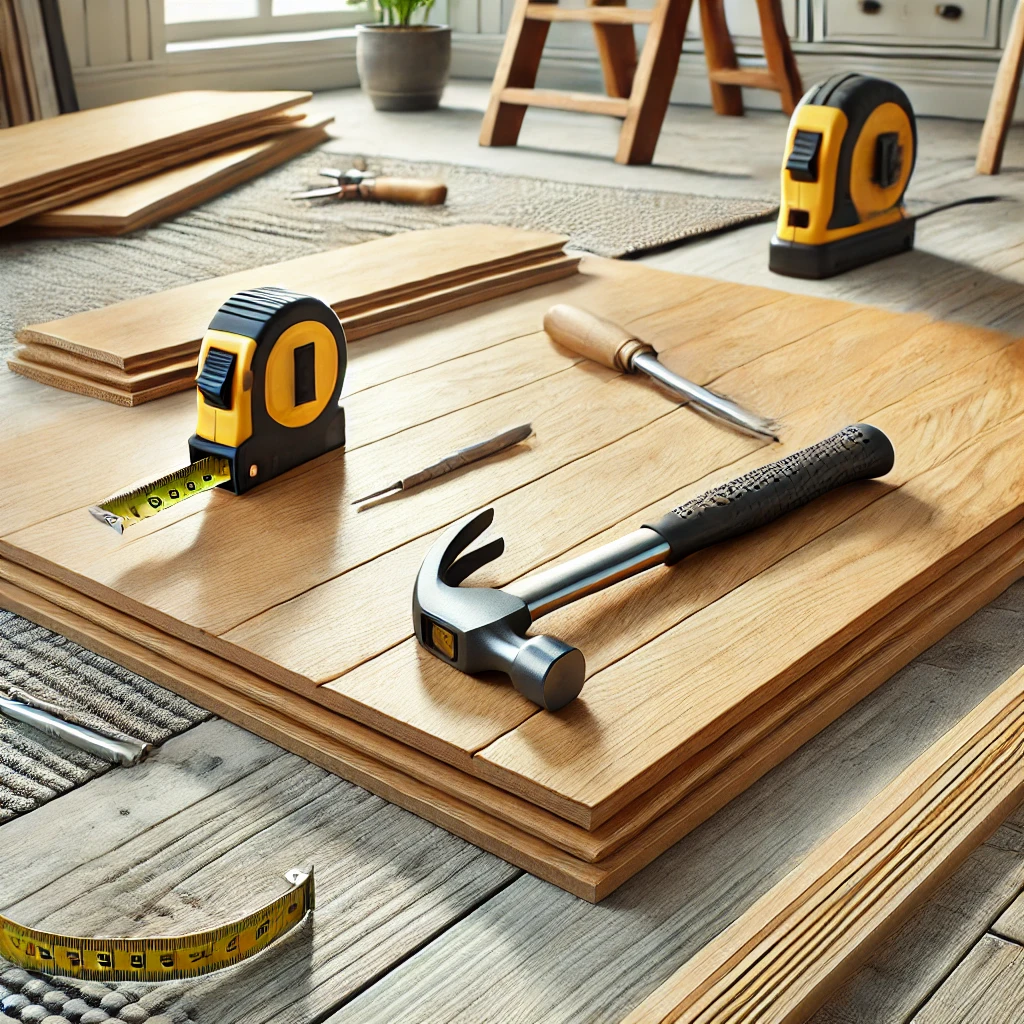
Even the right flooring material can fail when installation is rushed. Commercial projects require careful measurement, subfloor inspection, moisture testing when appropriate, surface leveling, and expansion planning. Details around transitions, doorways, baseboards, and built-in fixtures affect both the appearance and the lifespan of the floor.
Subfloor problems are one of the most common reasons a new floor develops movement, gaps, noise, or uneven spots. Concrete slabs can hold moisture. Older buildings may have uneven surfaces or previous flooring adhesive that needs to be addressed. Covering those issues instead of correcting them may save money on day one, but it can lead to repair costs later.
Scheduling also matters in a business environment. Many commercial flooring projects need to be phased around operating hours, tenant access, deliveries, or reopening deadlines. A professional contractor can help sequence the work so the project causes less disruption while still allowing proper preparation and installation time.
Choose for Maintenance, Not Just the Showroom Sample
A flooring sample can look great under showroom lighting and still be a poor match for daily use. Ask how the floor should be cleaned, whether it needs special products, how it handles rolling office chairs, and what happens if one section is damaged.
Color and finish also affect maintenance. Very dark floors can highlight dust and light-colored debris. Extremely smooth finishes may show scratches more readily. A medium-tone floor with natural grain variation or a textured finish often hides everyday wear better in a busy setting.
Entrance protection is one of the simplest ways to preserve commercial floors. Quality walk-off mats reduce grit, moisture, and debris that can scratch surfaces over time. Felt pads under furniture, floor-safe chair mats where needed, and a consistent cleaning routine can make a meaningful difference without adding much cost.
Build a Budget Around the Full Scope
Commercial flooring costs are more than the price per square foot of material. The full budget may include demolition and disposal of existing flooring, subfloor repair or leveling, moisture mitigation, trim, transitions, furniture moving, and after-hours scheduling. A clear estimate should account for the conditions that can affect the final cost rather than presenting an unrealistically low starting number.
It can be tempting to select the least expensive product for a large area, especially during a renovation or tenant turnover. But replacement downtime, repairs, and early wear can make a low upfront price more expensive over several years. The better value is usually a material that meets the demands of the space without paying for performance features you do not need.
A free consultation is useful because it turns broad options into a practical recommendation. An experienced flooring professional can evaluate the traffic pattern, subfloor, moisture exposure, desired look, and budget before the material is ordered. That guidance helps avoid the costly mismatch between a beautiful sample and a floor that cannot keep up with the business using it.
Your floor should support the work happening above it. When you are ready to update a commercial property, choose a solution that looks right on opening day and continues to perform through the busy days that follow.