
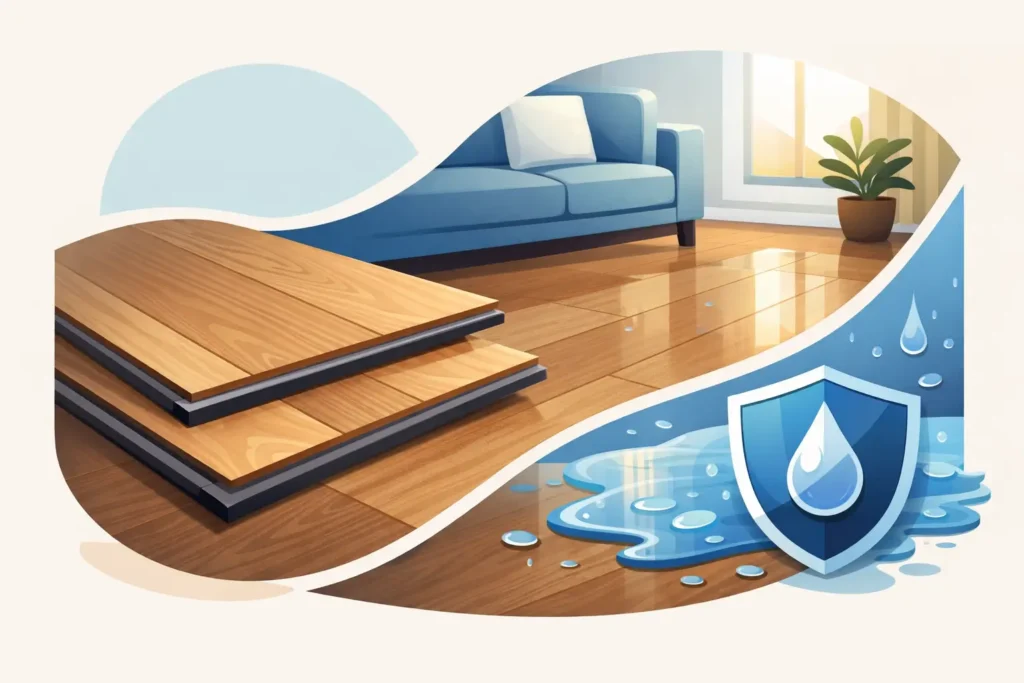
A lot of floors look great in a showroom. The real test starts when a dog drags in water from the yard, a kid spills juice in the kitchen, or tenants stop telling you about leaks until the damage is already done. That is exactly why a waterproof vinyl plank review matters. For many homeowners and property managers, this flooring solves a very specific problem: getting the wood-look style people want without the constant worry that moisture will ruin the surface.
Waterproof vinyl plank has become one of the most requested flooring options for kitchens, bathrooms, rental units, offices, and busy family homes. The reason is simple. It gives you a practical mix of durability, appearance, and budget control. But not every product performs the same, and not every room needs the same type of plank. If you are comparing options, it helps to know where waterproof vinyl plank really shines and where expectations need to stay realistic.
Waterproof vinyl plank review: what stands out first
The biggest advantage is moisture resistance. A true waterproof vinyl plank is built with a water-resistant core and a protective wear layer that can handle spills, pet accidents, tracked-in rain, and everyday messes far better than traditional hardwood or standard laminate. For households that want less stress, that benefit alone is often enough to make the decision easier.
The second thing people notice is the visual improvement these floors have made over the last several years. Better embossing, more realistic wood grain patterns, and wider plank formats have made vinyl plank a much stronger design choice than it used to be. In many homes and commercial spaces, it delivers the clean, modern look clients want at a more manageable price point than real wood.
That said, the phrase waterproof can lead people to assume the floor is indestructible. It is not. The planks can resist water, but poor installation, subfloor issues, and standing moisture underneath the flooring can still create problems. Waterproof does not mean maintenance-free, and it definitely does not mean every product is built to commercial-grade standards.
Where waterproof vinyl plank performs best
This flooring performs especially well in rooms where moisture and traffic meet. Kitchens are a common fit because they see constant foot traffic, dropped utensils, food spills, and the occasional dishwasher issue. Bathrooms can also be a strong match, especially powder rooms or guest baths, though product quality and installation details matter more in full bathrooms with frequent steam and water exposure.
For rental properties, waterproof vinyl plank is often a smart investment because it balances appearance and turnover durability. Property managers usually want something that looks current, holds up under a range of tenants, and does not require the high maintenance of natural wood. In that setting, vinyl plank often checks the right boxes.
Commercial spaces benefit too, particularly small offices, waiting areas, retail interiors, and light-use professional environments. It offers a polished look without the cold, hard feel of tile. In busy Southern California properties where fast installation and minimal downtime matter, that can be a real advantage.
What this flooring gets right
One of the strongest selling points is comfort underfoot. Compared with tile, vinyl plank is typically warmer and a little more forgiving to walk on, which matters in homes where people spend long periods standing in the kitchen or moving through shared spaces all day. Some products also include attached underlayment, which can help with sound control and softness.
Maintenance is another plus. Regular sweeping and occasional damp mopping are usually enough. You do not need refinishing, and you do not need the special care routines that hardwood often demands. For business owners and busy households, low upkeep has real value because it reduces time spent protecting the floor from normal life.
Cost is also part of a fair waterproof vinyl plank review. In general, this flooring gives buyers a broad range of price points. Entry-level products can work for short-term budget projects, while mid-range and premium products offer thicker wear layers, better locking systems, and more convincing visuals. That flexibility makes it easier to match the product to the space instead of overpaying for performance you may not need.
The trade-offs buyers should know
The biggest mistake people make is shopping by color first and construction second. A plank may look good online, but if the wear layer is too thin or the locking system is weak, performance can disappoint quickly. Lower-cost products often show wear sooner, sound hollower underfoot, or separate if the subfloor is uneven.
There is also a difference between waterproof on top and protected as a full flooring system. If water seeps around the perimeter, through gaps, or beneath poorly installed planks, the subfloor can still suffer. In other words, material quality matters, but installation matters just as much.
Another trade-off is resale perception. While premium vinyl plank looks much better than older vinyl floors, some buyers still prefer real hardwood if resale prestige is the top priority. If your goal is maximum practicality, that may not matter. If you are remodeling a luxury property in an area where finish quality strongly affects market appeal, the decision can depend on the neighborhood and price point.
Waterproof vinyl plank review by buying factors
Durability
For active homes and commercial spaces, durability is a major reason to choose this material. A good product with a strong wear layer can handle pets, kids, rolling office chairs, and heavy daily use. Still, durability is not universal. Thin planks installed over rough subfloors are more likely to flex, shift, or show premature wear.
Appearance
This is where quality tiers really show. Better products have more natural texture, less repetitive patterning, and more believable edge detail. Cheap vinyl plank can still look flat or overly artificial, especially in large open spaces with strong natural light.
Water resistance
This category is the headline feature, and in most cases it delivers. Spills, splashes, and routine moisture are not a problem when the product is installed correctly. Long-term water intrusion is a different issue. If there is an ongoing plumbing leak or subfloor moisture problem, no finish-floor product should be expected to solve that on its own.
Price
Waterproof vinyl plank usually lands in a practical middle ground. It is often more affordable than hardwood and can provide better moisture performance than laminate. The total project price depends on material grade, room layout, subfloor preparation, trim work, and whether old flooring needs to be removed first.
Why installation makes or breaks the result
Click-lock vinyl plank is often marketed as easy, but easy to buy is not the same as easy to install well. Uneven subfloors, bad transitions, poor cuts around tubs or cabinets, and skipped prep work are where many problems start. Gaps, bounce, early wear, and edge failure usually come back to installation conditions, not just product defects.
That is especially relevant in older homes and mixed-use properties where the floor underneath may not be perfectly level. A professional installer can identify moisture concerns, recommend the right thickness and underlayment, and make sure the finished floor performs the way it should. That saves money over time because the floor is less likely to need repairs or partial replacement later.
For clients in areas like Burbank, Glendale, or North Hollywood, where properties range from older homes to updated rentals and modern office spaces, that project-specific guidance matters more than any generic product claim on a box.
Is waterproof vinyl plank worth it?
For many buyers, yes. If you want a floor that looks current, handles moisture better than wood, and stays within a realistic budget, waterproof vinyl plank is often a strong choice. It is especially appealing for kitchens, rental units, family homes, and light commercial spaces where performance matters as much as style.
But the best answer depends on what you need the floor to do. If you want top-tier luxury resale appeal, hardwood may still win. If you need the most water-tolerant and low-maintenance surface possible in a high-splash area, tile may still be the better fit. Vinyl plank earns its value in the middle, where design, durability, and affordability need to work together.
A smart flooring decision is not about picking the trendiest material. It is about choosing the one that fits your space, your traffic level, and your budget without creating avoidable problems later. If waterproof vinyl plank checks those boxes, it is not just worth considering. It is often the floor that makes the most sense.
Pingback: How To Choose Office Flooring For Lasting Value | Flooring Contractor Los Angeles | Magnet Flooring