Salt air, tracked-in sand, bright sun, and daily foot traffic can wear down a beautiful floor faster than many Santa Monica property owners expect. Santa Monica floor restoration is not always about starting over. In many cases, the right repair, refinishing process, or material replacement can bring back the appearance and performance of a room without paying for a full renovation.
The right solution depends on what is beneath your feet, how extensive the damage is, and how the space is used. A living room with scratched hardwood needs a different approach than a rental unit with swelling laminate or a busy office with worn vinyl planks. A professional assessment helps you invest in work that will hold up, not a temporary cosmetic fix.
What Santa Monica Floor Restoration Can Include
Floor restoration is a broad term. It may involve repairing damaged boards, correcting moisture-related issues, refinishing real hardwood, replacing compromised sections, or installing a new floor where restoration is no longer practical. The goal is to improve the floor’s condition while making the most sensible use of your budget.
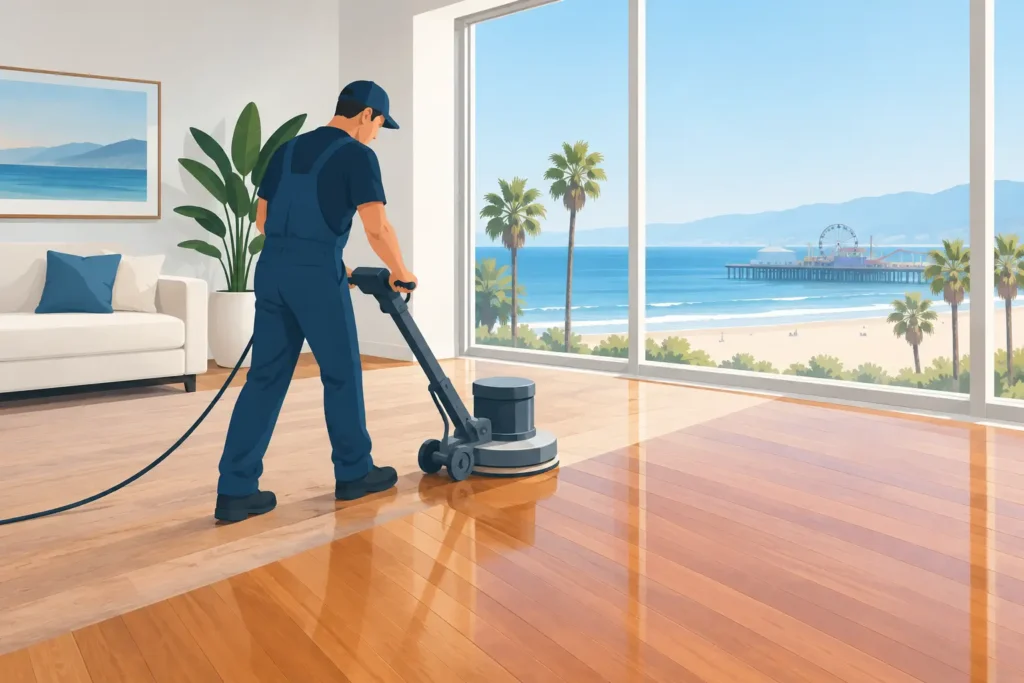
For solid hardwood and some engineered wood floors, restoration may mean sanding away surface scratches, stains, and worn finish before applying a new protective coat. This process can dramatically improve the floor’s color and consistency, but it only works when the wood has enough usable material remaining. Floors that have been sanded several times, have deep water damage, or show structural movement may need board replacement or a new installation instead.
Laminate and many vinyl products are different. They cannot be sanded and refinished like hardwood. When a plank is chipped, swollen, separating at the seams, or badly discolored, targeted plank replacement is often the most effective repair. If damage is widespread, a new waterproof vinyl plank floor may offer better long-term value than trying to patch multiple areas.
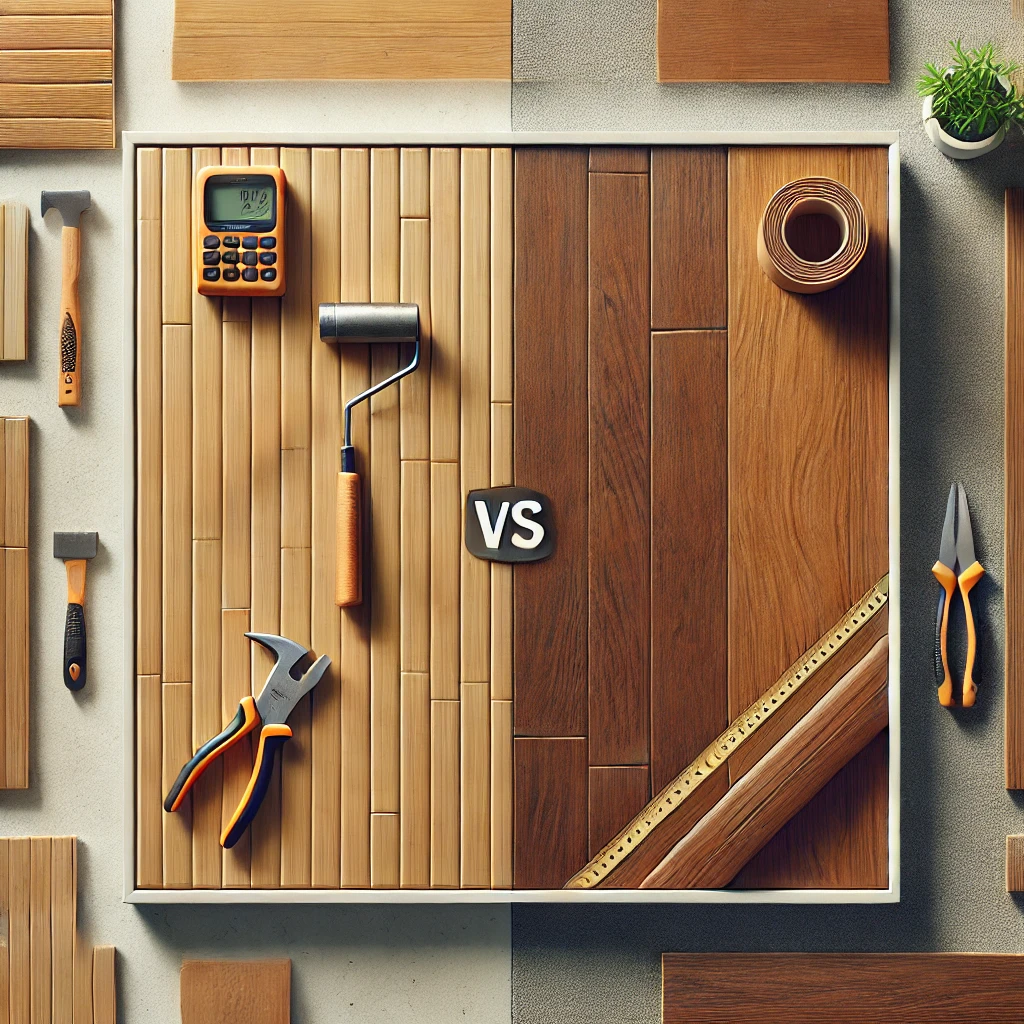
Bamboo flooring can also be restored in certain situations, depending on its construction and wear layer. It remains a smart option for property owners who want a durable, renewable material with a clean, modern appearance. The key is matching the restoration method to the actual product, not assuming every wood-look floor can be treated the same way.
Signs Your Floor Needs Professional Attention
Small scratches are common, especially in active homes and commercial spaces. They do not always require immediate work. But visible wear can become a larger issue when the protective surface has failed and moisture can reach the core material or subfloor.
Watch for cupping or crowning in wood boards, soft spots underfoot, lifting edges, gaps that continue to widen, dark water stains, recurring squeaks, or planks that feel loose. In coastal areas, humidity changes and moisture exposure can contribute to movement in natural materials. A floor may look like it only needs a new finish when the real issue is moisture below it.
For landlords and property managers, timing matters. Addressing damage between tenants is usually less disruptive and more cost-effective than waiting until a small problem affects a larger section of flooring. For business owners, a worn entrance, hallway, or reception area can also shape a customer’s first impression. Restoration work can help maintain a professional space without requiring a complete remodel.
Hardwood: Refinish, Repair, or Replace?
Hardwood is often the best candidate for restoration, but not every worn hardwood floor needs the same level of work. Surface-level scratches, dullness, light staining, and normal finish wear may be resolved through screening and recoating. This removes minimal material and adds a fresh protective finish.
Deeper gouges, uneven color, pet stains, or extensive finish failure may call for full sanding and refinishing. A qualified flooring professional should first check the thickness of the boards, the condition of the tongue-and-groove edges, and any signs of prior repairs. Sanding too aggressively can shorten the life of a floor, especially with engineered hardwood that has a thinner top layer.
Replacement makes more sense when there is major water damage, extensive warping, termite damage, or repeated repairs across the room. It can also be the better choice when homeowners want a different layout, wider planks, or a more water-resistant material for a high-use area.
Laminate, Vinyl, and Bamboo: Know the Limits
Laminate is affordable and attractive, but its core can swell when moisture enters through damaged seams or edges. Once swelling occurs, refinishing is not an option. Replacing individual planks may work if matching material is available and the damaged area is limited. If it is not, replacement often produces a cleaner, more reliable result.
Luxury vinyl plank is a practical choice for kitchens, rental properties, offices, and households that need water resistance and easy maintenance. A damaged vinyl plank can sometimes be replaced, but installers must inspect the locking system, subfloor condition, and surrounding planks before recommending a repair. Installing new vinyl may be more economical when the floor has widespread wear or the existing product has been discontinued.
Bamboo offers a sustainable alternative with a distinct grain pattern and dependable everyday performance. Strand-woven bamboo is especially dense, though it still needs protection from standing water and sharp impacts. Restoration options vary by product, so professional identification is essential before any sanding or repair begins.
The Hidden Factor: Your Subfloor
A new finish or replacement plank will not solve a failing subfloor. Uneven surfaces, moisture intrusion, loose plywood, concrete cracks, and old adhesive can all affect how a finished floor looks and feels.
This is where professional preparation makes a measurable difference. Before restoration or installation begins, the floor should be evaluated for flatness, stability, and moisture conditions. Proper subfloor work helps prevent future gaps, hollow spots, movement, and premature wear. It also protects the investment you are making in the visible flooring material.
Skipping this step may appear to save money at first. It often leads to repairs that cost more later, particularly in kitchens, ground-floor rooms, commercial suites, and properties with a history of water exposure.
Choosing the Best Option for Your Budget and Space
The least expensive initial option is not always the most affordable long-term choice. A simple repair can be the right answer when damage is isolated and the surrounding floor remains stable. Refinishing is often a strong value for real hardwood because it preserves a quality floor already in place. Full replacement can be the better financial decision when repairs would be extensive, mismatched, or short-lived.
Consider how the room functions. A quiet bedroom may be an ideal place to preserve or refinish hardwood. A busy family room, pet-friendly home, rental unit, or office may benefit more from waterproof vinyl plank. Bamboo can suit homeowners who want an eco-conscious material without sacrificing visual appeal.
Color and finish should also be chosen with maintenance in mind. Very dark finishes can show dust and scratches more easily, while ultra-smooth high-gloss surfaces can highlight wear in high-traffic areas. Matte and low-sheen finishes are often more forgiving while still looking polished.
Why Professional Restoration Pays Off
Floor restoration involves more than surface appearance. Accurate measurements, proper material identification, moisture testing, careful prep work, and clean finishing all affect the final result. DIY repairs can create mismatched color, damaged locking edges, uneven sanding, or problems that make a future repair more difficult.
An experienced flooring contractor can explain which option is realistic for your floor and provide a clear estimate before work begins. At Magnet Flooring, the focus is on practical recommendations that fit the property, the material, and the budget – whether that means repairing a small area, restoring hardwood, or installing a durable new floor.
If your floor is showing its age, do not wait for a minor issue to spread. A professional inspection can give you a straightforward answer and a workable path to a floor that looks right, performs well, and supports the value of your home or business.