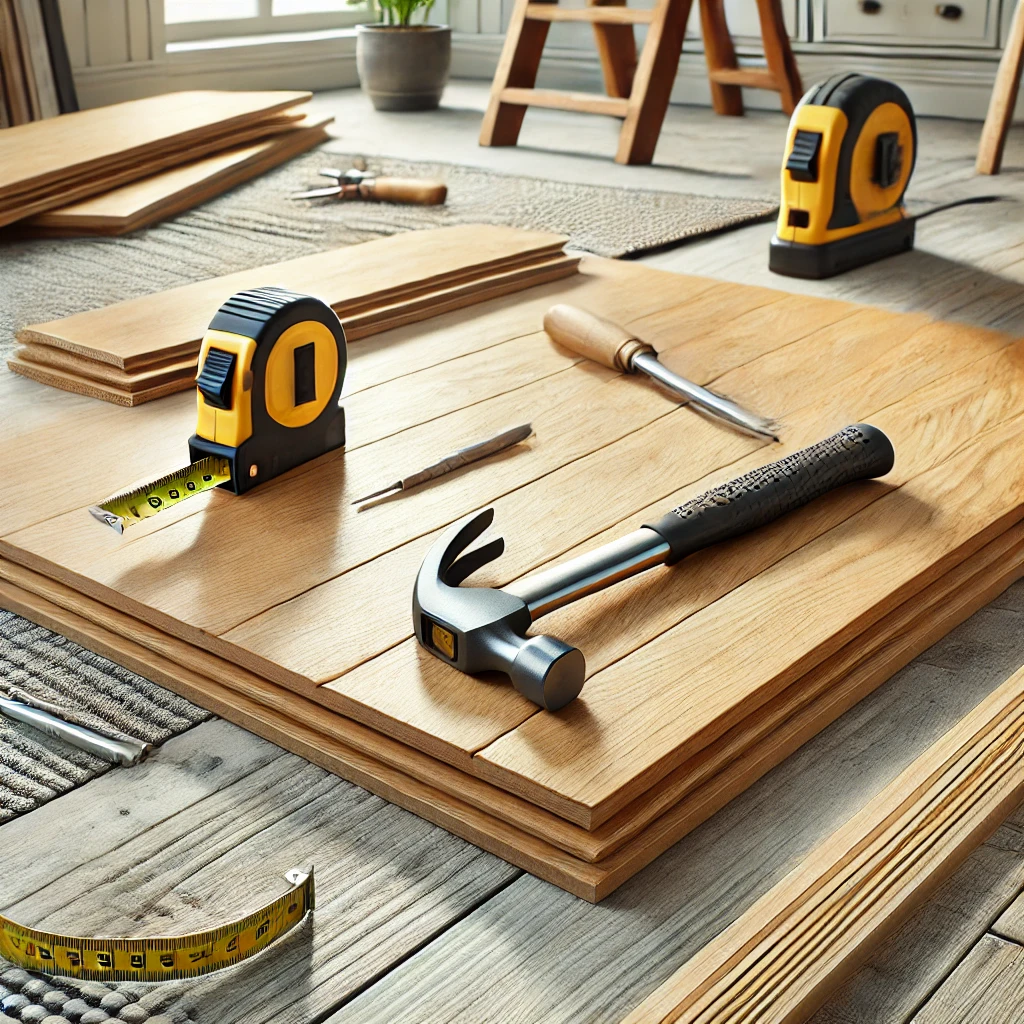

A beautiful floor that looks worn out after one busy season is not a bargain. For commercial flooring Santa Monica businesses can depend on, the right choice starts with how the space actually operates: foot traffic, cleaning routines, sunlight, moisture exposure, furniture movement, and the look customers or tenants expect.
A boutique retail shop has different flooring demands than a medical office, property management lobby, creative studio, or restaurant-adjacent workspace. The goal is not simply to select the toughest material. It is to install flooring that fits the setting, supports the budget, and continues to look professional after daily use.
Start With How the Commercial Space Is Used
Commercial flooring decisions should be based on conditions, not just samples. A floor may look excellent under showroom lighting but perform poorly if the material is not suited to rolling chairs, frequent mopping, direct sun, or heavy entry traffic.
Consider what happens in the space each day. Does the entrance collect sand and moisture from the beach? Are staff members moving equipment, carts, or office chairs across the floor? Will customers stand in one area for long periods? Is the property occupied during installation, making downtime a major concern?
Santa Monica businesses also need to think about coastal conditions. Humidity, open doors, and salt or grit tracked in from outside can affect how a floor wears over time. Proper surface preparation, suitable transitions, and a realistic maintenance plan matter just as much as the flooring material itself.
Best Commercial Flooring Options for Santa Monica Properties
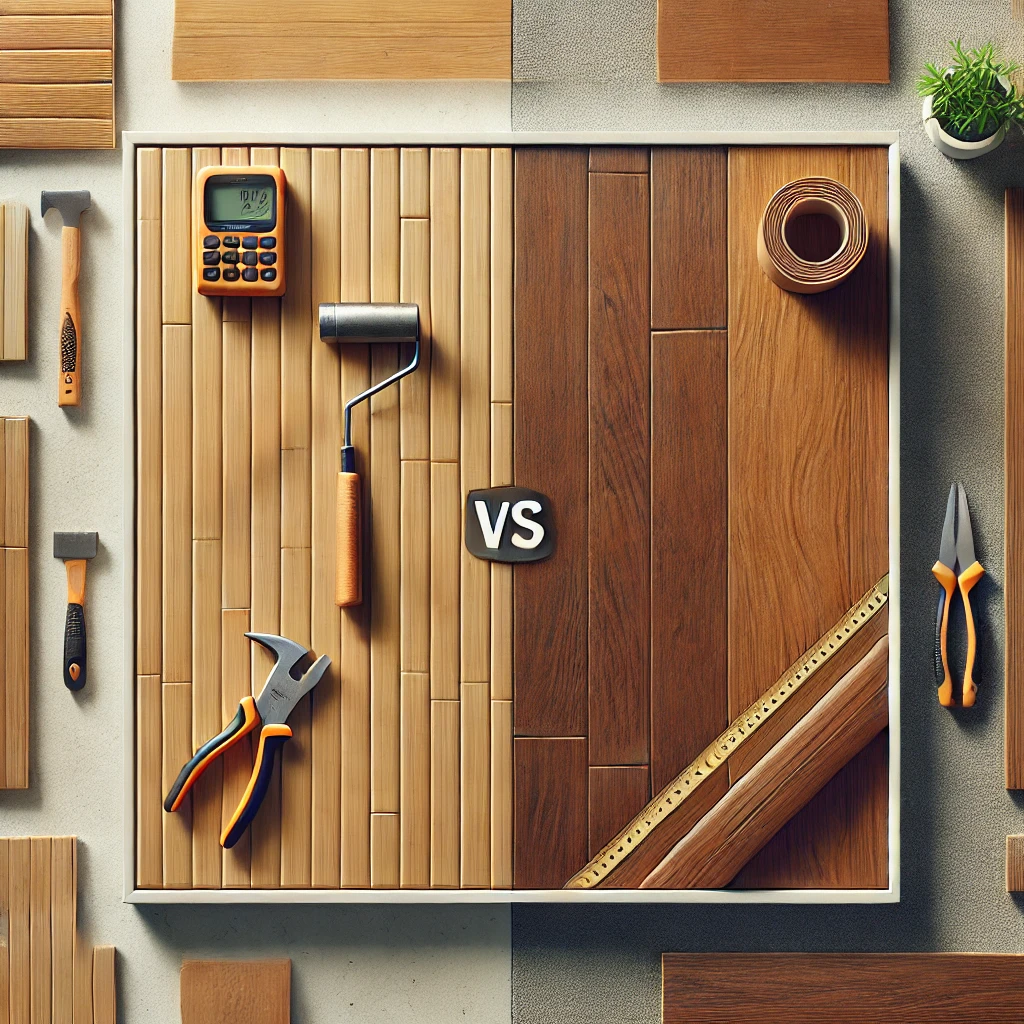
There is no single best floor for every commercial project. Vinyl plank, hardwood, bamboo, and laminate can all work well when selected and installed for the right conditions.
Vinyl Plank for Busy, Practical Spaces
Luxury vinyl plank is often a strong choice for offices, retail spaces, rental units, break rooms, and other commercial interiors that need an attractive surface without the cost and maintenance demands of natural wood. It offers a wide range of wood-look colors and textures, helping businesses create a polished design while staying focused on budget.
Many vinyl plank products are water-resistant, and some are designed with waterproof cores. That makes them useful in areas where occasional spills, regular cleaning, or minor moisture exposure are expected. The wear layer is especially important in commercial settings because it helps protect the surface from scratches, scuffs, and daily foot traffic.
Vinyl plank is not indestructible. Heavy point loads, sharp furniture feet, and poor subfloor conditions can still create problems. A professional installer can help determine whether the selected product and installation method are appropriate for the space.
Hardwood for High-Impact Design
Hardwood flooring brings warmth, character, and long-term value to professional spaces where appearance is a major part of the customer experience. It can be an excellent fit for upscale offices, galleries, executive suites, boutique retail stores, and hospitality-style interiors.
The trade-off is maintenance. Hardwood can scratch, dent, and react to changes in moisture more readily than vinyl. It is usually not the first recommendation for a high-spill environment or a busy entrance exposed to outdoor debris. Still, with the right species, finish, entry mats, and maintenance plan, hardwood delivers a premium look that other materials cannot fully duplicate.
For businesses planning to stay in a space for years, hardwood can be a worthwhile investment because it may be refinished instead of replaced when the surface begins to show wear. That decision depends on the product, the existing floor conditions, and the expected level of traffic.
Bamboo for Sustainable Commercial Style
Bamboo flooring is a practical option for businesses that want a natural look while placing a higher priority on renewable materials. It can complement wellness studios, creative offices, boutiques, and professional spaces where sustainability is part of the brand story.
Quality matters with bamboo. Construction, finish, and installation conditions affect performance, so it is worth discussing the specific product rather than selecting based on appearance alone. Strand-woven bamboo is often chosen for its density and durability, but every project should still account for moisture, sunlight, and traffic patterns.
Bamboo is not the right answer for every commercial environment, particularly where standing water or heavy industrial use is likely. In the right setting, it offers a distinctive, eco-conscious alternative to traditional hardwood.
Laminate for Value-Focused Updates
Laminate flooring can provide a clean wood-look finish at an accessible price point. It works well for light- to moderate-traffic offices, leased suites, and commercial updates where the owner wants a noticeable visual improvement without overspending.
Modern laminate options can be more realistic and durable than older products, but performance varies by product line. Water resistance, scratch resistance, and edge protection should be reviewed carefully. Laminate is generally less forgiving of moisture intrusion than many vinyl plank options, so it may not be the best selection for wet-prone areas or spaces with frequent spill risks.
Commercial Flooring Santa Monica Businesses Should Budget For
Material cost is only one part of a commercial flooring project. An accurate estimate should account for the condition of the existing floor, demolition or removal needs, subfloor repair, moisture testing when appropriate, leveling, baseboards, transitions, furniture moving, and disposal.
A floor installed over an uneven or damaged subfloor may look acceptable at first, then develop movement, gaps, soft spots, or premature wear. Skipping preparation to reduce the initial price can create a more expensive repair later. The best value is a clear scope of work that addresses the conditions beneath the new flooring.
Installation scheduling also affects cost and convenience. Some businesses need work completed in phases, after business hours, or over a weekend to reduce disruption. Those arrangements can be worthwhile when keeping the property operational is more valuable than the savings from a standard daytime schedule.
Installation Details That Protect the Investment
Commercial flooring should look intentional from wall to wall. That means more than laying planks or boards in an attractive pattern. It means checking the subfloor, planning transitions between rooms, allowing the correct expansion space, and selecting trim that creates a finished appearance.
Moisture management is especially important when flooring is installed over concrete slabs. Depending on the material and site conditions, the installation may require a vapor barrier, underlayment, adhesive system, or moisture mitigation step. The right approach depends on the product manufacturer requirements and what the site reveals before work begins.
Sunlight is another factor in Santa Monica commercial interiors. Large windows can brighten a business, but constant UV exposure may fade or change the appearance of some flooring over time. Window coverings, rugs in strategic areas, and a material with a suitable finish can help manage that exposure.
Furniture protection also matters. Felt pads, proper chair mats, and floor-friendly glides can prevent unnecessary damage from desks, displays, seating, and movable equipment. These small details help preserve a professional appearance between maintenance cycles.
When Repair Makes More Sense Than Replacement
Not every commercial floor needs to be replaced. Localized damage, loose planks, scratches, small moisture issues, or worn transitions may be repairable if matching materials are available and the underlying cause is addressed.
Replacement becomes more practical when damage is widespread, moisture has compromised the subfloor, the existing material is discontinued, or repeated repairs are no longer cost-effective. A professional evaluation can help distinguish between a repair that buys useful time and one that only delays a necessary project.
For property managers, this distinction is especially valuable. Repairing a floor before a tenant turnover can be a cost-effective way to improve presentation, while a full replacement may make more sense for a long-term upgrade or a space being repositioned for higher-value tenants.
Choose a Contractor Who Plans Beyond Installation
Commercial flooring is a business decision as much as a design decision. The contractor should ask about traffic, cleaning methods, access, scheduling, existing floor conditions, and your long-term plans for the property. A low quote without those questions can lead to avoidable surprises once work begins.
Magnet Flooring helps commercial clients evaluate material options, installation requirements, and practical budget considerations before a project moves forward. The goal is straightforward: flooring that fits the space, is installed correctly, and gives the property a finished look worth maintaining.
Before choosing a material, walk through the space at its busiest hour. The floor that works best is usually the one that handles the real day-to-day demands without asking your staff, tenants, or customers to work around it.