A floor can make a room feel finished or make every flaw stand out. If you’re planning flooring installation Burbank homeowners and property managers know the stakes are real – the right material, the right prep, and the right installer all affect how that floor looks six months from now, not just on day one.
In a city like Burbank, flooring decisions are rarely just about style. You may be upgrading a family home, refreshing a rental between tenants, or improving a commercial space that needs to look polished without constant maintenance. That means the best flooring choice is usually the one that balances appearance, durability, and installation quality with a budget that makes sense.
What good flooring installation in Burbank really involves
A lot of people think installation starts when the old floor comes out. In reality, the most important work begins before the first plank or board is laid. A professional installer looks at the subfloor, checks for moisture issues, measures transitions between rooms, and plans around baseboards, cabinets, and door clearances.
That matters because even high-quality flooring can fail if the surface underneath is uneven or damp. Gaps, soft spots, lifting edges, and noisy boards are usually signs of poor prep, not bad materials. A good installation team solves those problems early, which saves money and frustration later.
For Burbank properties, this is especially relevant in older homes and mixed-use buildings where subfloors may have settled over time. A clean, level foundation is what gives the finished floor its long-term performance.
Choosing the right material for your space
There is no single best flooring for every room. The smarter question is what works best for how you use the space.
Hardwood for long-term value
Hardwood remains a strong choice for homeowners who want warmth, character, and resale appeal. It works especially well in living rooms, bedrooms, offices, and other dry interior areas. When installed correctly, hardwood can last for decades and can often be refinished instead of replaced.
The trade-off is maintenance and moisture sensitivity. Hardwood is less forgiving in kitchens, bathrooms, or spaces where spills sit too long. It also tends to come with a higher upfront cost than laminate or vinyl plank, so it makes the most sense when long-term value is part of the plan.
Vinyl plank for busy homes and commercial use
Luxury vinyl plank has become one of the most practical options on the market. It handles foot traffic well, resists moisture, and gives you a clean wood-look finish without the same maintenance demands as hardwood. For households with kids, pets, or frequent spills, it is often the most balanced choice.
Commercial clients like it for similar reasons. Offices, retail areas, and rental properties benefit from a floor that looks sharp, installs efficiently, and holds up under regular wear. Not all vinyl products are equal, though. Thickness, wear layer, and subfloor prep still matter.
Bamboo for customers who want performance and sustainability
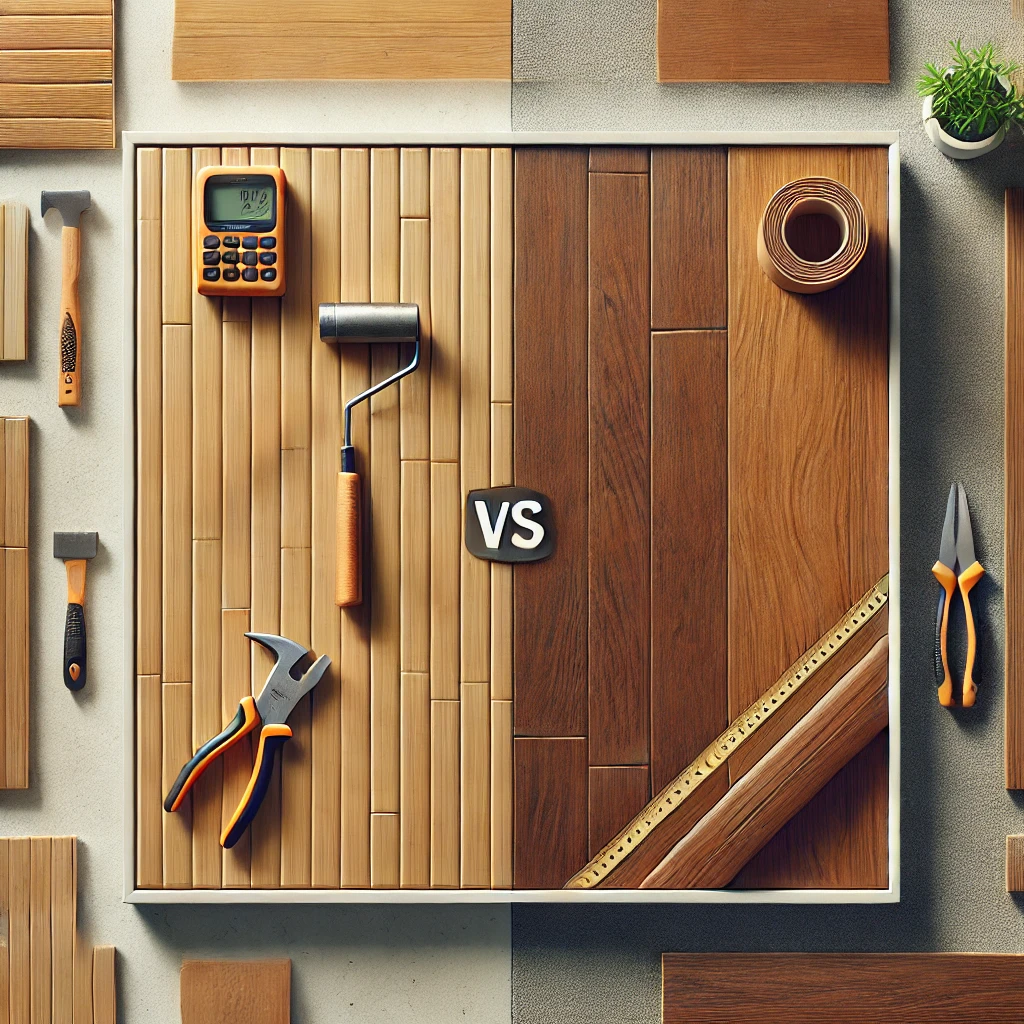
Bamboo fits a specific kind of buyer – someone who wants a modern look, solid durability, and a more eco-conscious material. It can be a smart option for homeowners who care about renewable flooring choices but still want the polished feel of a hard surface floor.
Like hardwood, bamboo performs best when installed with attention to moisture and room conditions. It is not a shortcut product. When the material quality is good and the installation is handled properly, it can be a durable and attractive investment.
Laminate for style on a tighter budget
Laminate is still a practical option when cost control is a top priority. It can provide a clean, updated appearance for bedrooms, living spaces, and some light commercial environments. Newer laminate products also look better than many people expect.
Its main limitation is water exposure. Some products offer better resistance than older versions, but laminate is generally less forgiving than vinyl in wet conditions. That does not make it a bad choice – it just means it needs to match the room.
Why professional flooring installation Burbank projects need more than speed
Fast turnaround sounds great until corners get cut. The best flooring installation Burbank property owners can invest in is not simply the quickest job. It is the job done with the right timeline, proper acclimation where needed, accurate cuts, and clean finishing details.
Professional installation protects the material you’re paying for. It also helps avoid common issues like uneven seams, buckling, hollow spots, and transition problems between rooms. Those details may seem minor at first, but they affect how the entire space feels.
For commercial spaces, speed still matters. Downtime affects operations. But efficiency should come from planning and crew experience, not rushing through prep. The right contractor knows how to keep a project moving while still protecting the final result.
Cost depends on more than square footage
One of the biggest mistakes customers make is comparing flooring quotes based only on price per square foot. That number rarely tells the full story.
Installation cost depends on the material, the condition of the subfloor, demolition needs, trim work, room layout, and whether furniture has to be moved. Stairs, custom cuts, moisture barriers, and leveling work can also affect the quote. A low estimate sometimes means key parts of the job are being left out until later.
A better approach is to ask what is included. Does the quote cover removal of old flooring? Does it include subfloor correction? Are transitions and finishing details part of the scope? Clear answers upfront usually lead to fewer surprises once work begins.
Affordable flooring does not mean choosing the cheapest product or installer. It means choosing a floor that performs well for your needs and having it installed correctly the first time.
Residential and commercial projects have different priorities
Homeowners often focus on comfort, style, and how the flooring fits daily life. A family with pets may prioritize scratch resistance and easy cleaning. A homeowner preparing to sell may care more about broad buyer appeal. Someone remodeling a forever home may be willing to invest more in hardwood or bamboo.
Commercial clients usually think in terms of wear, maintenance, downtime, and presentation. Flooring in an office, store, or managed property needs to look professional while standing up to repeated use. In many cases, vinyl plank is a strong fit because it balances durability, design flexibility, and manageable cost.
The point is simple – good recommendations should match the space, not push the same material on every customer.
What to look for in a flooring contractor
A dependable flooring contractor should be able to explain the process clearly, recommend materials based on actual use, and identify issues before installation starts. You want someone who treats prep work as part of the craft, not an extra.
Experience matters, but communication matters too. If a contractor cannot tell you what happens with leveling, moisture checks, transitions, or cleanup, that is a red flag. Flooring is one of the most visible surfaces in any property. You should know exactly what you are getting.
This is where a local, service-focused company has an advantage. Teams that work regularly in Burbank and nearby areas tend to understand the range of property types, from older homes to modern offices and tenant-ready units. That kind of familiarity helps projects move more smoothly. Companies like Magnet Flooring build trust by combining practical guidance with skilled installation, which is what most customers actually want – clear options, fair pricing, and results that hold up.
Planning your project without overcomplicating it
If you are considering new flooring, start with three questions. How will the room be used? What level of maintenance are you comfortable with? What budget makes sense for both material and installation?
Once those answers are clear, the right options narrow down quickly. A busy household may lean toward vinyl plank. A design-focused living space may justify hardwood. A budget-conscious update may point to laminate. An eco-minded renovation may make bamboo the right fit.
The key is not chasing trends. It is choosing a floor that works for your property now and still makes sense a few years from now.
A well-installed floor changes more than the surface under your feet. It makes a home feel cleaner, an office feel more professional, and a property feel cared for. If you are investing in that kind of upgrade, choose materials with purpose and installation with standards. That is what turns a flooring project into lasting value.